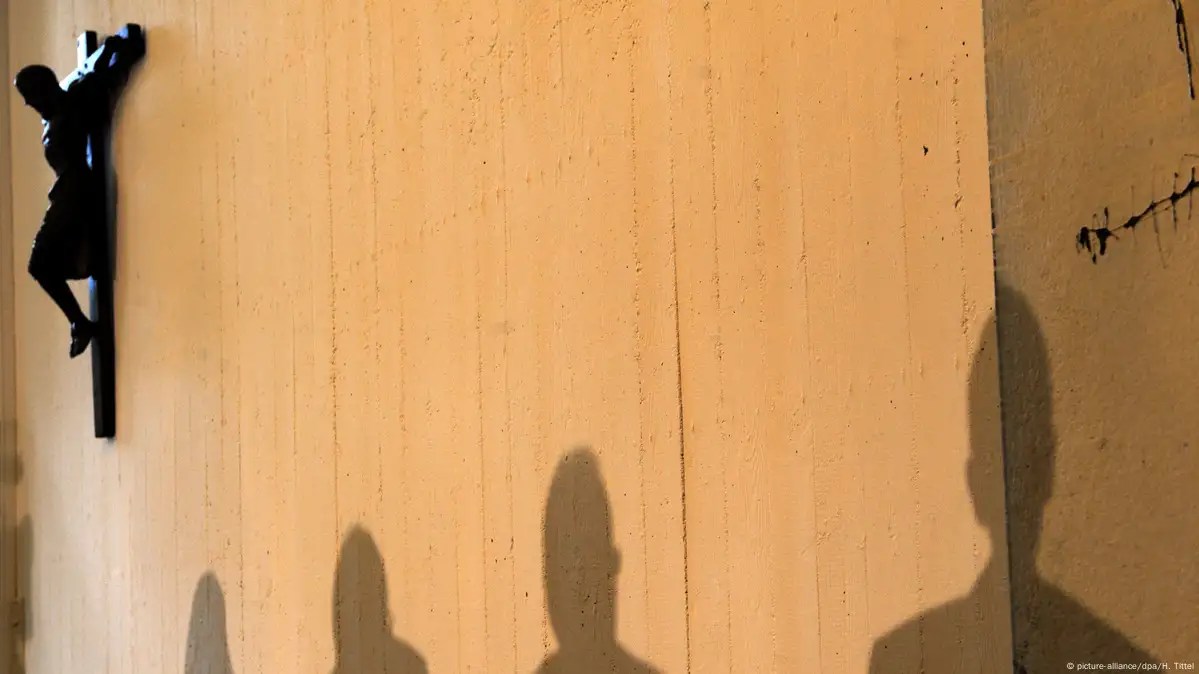
Sanctuaries or Shields?
For centuries, churches in America have stood as sacred institutions, places of guidance, repentance, and hope. Beneath the marble columns and stained-glass windows, stories of abuse, silence, and systemic failure have unraveled public trust in some of the country’s most respected spiritual leaders.
More than just isolated incidents, a pattern emerges: abuse covered up, victims dismissed, and institutions choosing self-preservation over transparency. And in the darkest corners of public imagination, and conspiracy forums, even more sinister acts are known; underground tunnels, trafficking rings, underground bunkers, reports of underground cities and covert alliances with figures of power.
When money and influence collide with unchecked power, it becomes possible, even easy, to look away.
What We Know – The Documented Failures
The Catholic Church’s Reckoning
In 2002, The Boston Globe’s Spotlight team unearthed what the Church had tried to hide: decades of abuse across the Archdiocese of Boston, shielded by a culture of silence. Since then, similar reports have emerged across the country.
In 2018, a Pennsylvania grand jury detailed abuse by over 300 priests and identified more than 1,000 victims, calling it a “systematic cover-up.” Survivors told stories of spiritual manipulation, threats of damnation, and the use of confession as a tool of grooming.
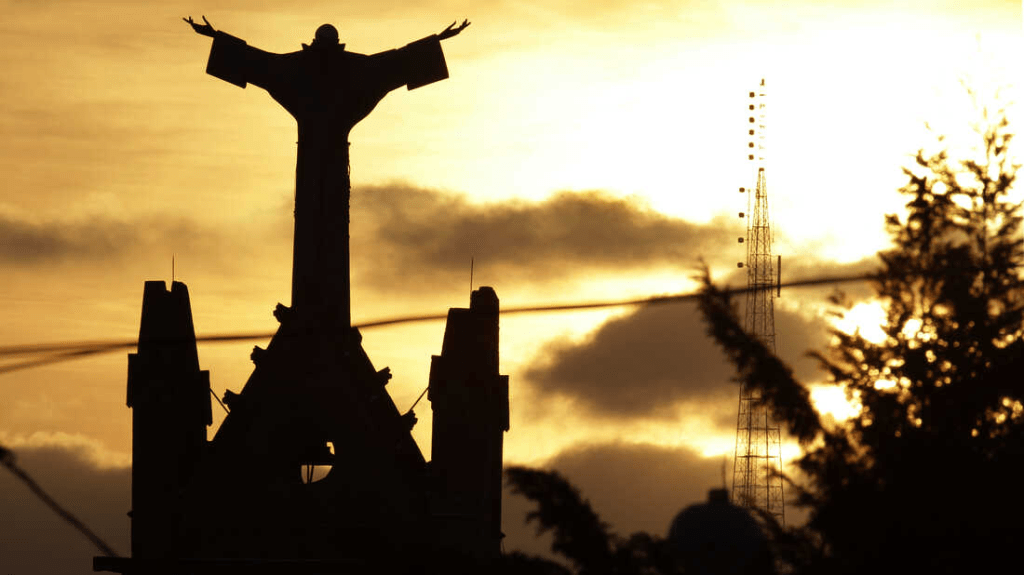
Despite Vatican policies introduced in the aftermath, implementation remains inconsistent. Some dioceses publish lists of credibly accused priests. Others remain opaque.
Evangelical and Protestant Churches: A Quieter Crisis
In 2019, The Houston Chronicle exposed the Southern Baptist Convention (SBC) for its widespread sexual abuse problem, identifying more than 700 victims and over 380 pastors and volunteers accused of misconduct.
Due to the decentralized structure of many evangelical churches, background checks are inconsistent, and expelled pastors can move freely to new congregations with little to no scrutiny. Survivors report being silenced, shunned, or even blamed.
🔥 Famous Names and Familiar Patterns
• Tony Alamo: Convicted in 2009 for transporting underage girls across state lines for sex, the once-influential evangelist ran a multimillion-dollar religious compound. He used scripture to justify his abuse.
• Doug Phillips: Founder of Vision Forum Ministries, accused of grooming and sexual abuse, settled out of court. His teachings on “biblical patriarchy” shaped thousands of Christian homeschooling households.
• Eddie Long: A megachurch pastor accused by multiple young men of sexual coercion. Cases were settled, and Long denied wrongdoing, but the damage to his ministry’s legacy remains.
These aren’t fringe figures. They were broadcast into homes, led nationwide conferences, and held political sway.
The Appearance of Respectability
Investigators and survivors repeatedly describe a disturbing pattern: abusers often surround themselves with legitimacy. Political endorsements, television appearances, charity initiatives, and close ties to law enforcement or elected officials all contribute to a shield of public trust.
This is not incidental. It’s strategic.
“The more power they gain, the more invisible they become,” says Jane Monahan, a former church employee who blew the whistle on abuse in a Texas congregation. “They donate to police departments, invite mayors to pray. By the time a child speaks up, no one believes them.”
In trafficking investigations globally, not just in religious cases, it’s common to find that someone with political, religious, or celebrity status serves as a front, giving operations the illusion of credibility and moral authority.
The Economics of Exploitation
The financial scale of human trafficking often surprises even seasoned investigators.
According to the International Labour Organization, trafficking for sexual exploitation generates over $99 billion annually, nearly double the global drug trade in some regions.
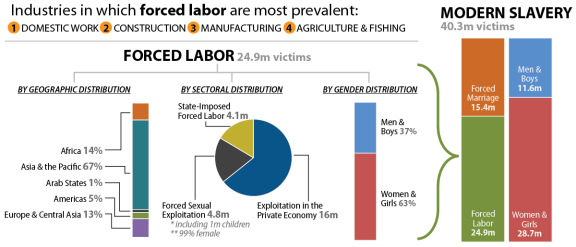
Unlike drugs, which are sold once, a child can be sold multiple times a day, making each victim far more profitable over time.
This reality drives home a chilling equation: the younger the victim, the higher the market value. For traffickers and those who protect them, the industry offers not just wealth, but leverage.
• Money buys power
• Power buys influence
• Influence ensures silence
When such profits flow into religious institutions, whether knowingly or through criminal infiltration, the lines between sacred mission and shadow economy become dangerously blurred.
What It Would Take to Hide It
While no direct evidence is known by the public, that ties major U.S. churches to trafficking rings involving tunnels or smuggling operations, survivors point to how easily it happens given the right conditions.
Financial Opacity
Most churches are tax-exempt and receive large, often untraceable, cash donations. With few legal requirements for disclosure or external audits, it’s difficult to follow the money.
Structural Protection
Top-down authority, internal investigations, and social pressure to avoid “dividing the body of Christ” create a natural shield against scrutiny. Whistleblowers are often demonized.
Weaponized Theology
Many survivors describe how abusers used scripture to justify exploitation, or to silence them afterward. Forgiveness is demanded. Speaking out is seen as rebellion.
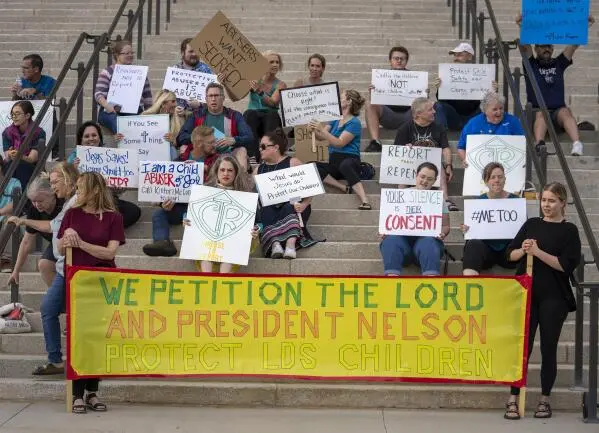
The Power Loop
The scale of trafficking revenue means more than criminal profit, it enables protection:
• Donations to law enforcement or political campaigns
• Legal firepower to suppress lawsuits
• PR machines that spin accusations as persecution
What’s Being Done – And What Isn’t
✅ Some Progress
• The SBC has created a sex abuse hotline and published a list of known offenders.
• Certain Catholic dioceses now post names of credibly accused clergy.
• Independent churches are beginning to partner with third-party auditors.
❌ Not Enough
• Statutes of limitations still limit justice for many survivors.
• Most churches investigate internally, with no legal oversight.
• Victims often face stigma, disbelief, and exile from their spiritual communities.
Faith Demands Accountability
We don’t need tunnels or urban legends to justify concern. The facts are already disturbing enough: widespread abuse, repeated cover-ups, and multi-billion-dollar incentives to keep quiet.
Churches are meant to be sanctuaries. But when wealth, secrecy, and power combine, they can become fortresses instead, protecting perpetrators, not the people they serve.
If trust is to be restored, it won’t come through sermons or soundbites. It will come through radical transparency, survivor-led reform, and the moral courage to speak truth from the pulpit, even when it shakes the altar. Soon a shaking will occur, that wealth cannot stop.
 Site Title