-
This Is How The Government Is Stopping You From Living Independently

It’s been a very long time since I have had warm feelings about my government.
The corruption at the highest level is blatant and they don’t even attempt to hide it anymore.
Here are 9 ways the government is stopping you from living independently.
Limiting Freedom Of Speech
I chose the limiting of speech as the first stop on this ride because of how important your speech is.
In 2020 we saw the full force of censorship on social media platforms, media outlets, and some people even suffered the consequences of losing jobs over speech.
The revelations in the Twitter files in 2022 and how cozy our government has become with Google, Facebook, and Twitter, have better helped us understand all the ways our government limits speech.
The modern-day soapbox is being monitored and you will be kicked off it if the government sees utility in it.
Limiting 2nd Amendment Rights
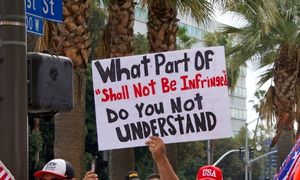
The thing about being able to say what you want is that it only works if you are able to protect that ability, in our case it’s a right.
There is a reason that our founding fathers said, “#1 freedom of speech and #2 right to keep and bear arms.”
They understood the power of your words and more importantly your ability to defend that right to say what you want!
Allowing Monopolized Purchasing Of Single-Family Homes
Powerful investors are buying up as much as 1/3 of the single-family homes in the US. These powerful investment firms have all the capital and all the backing. Now, if a government was going to step in on an issue wouldn’t it make sense to keep an eye on this?
We are facing a crisis of homelessness all over the nation. We should not be limiting access to these homes just to build a wealth investment firms portfolio.
Where Free Land Can Be Found In The USA
When we think about “conspiracy theories” like The Great Reset most people scoff at phrases like “you will own nothing and you will like it”, it seems impossible, right? How could they pull something like that off?
Well, what if they own 50% of single-family homes by this time next year?
Attacking At Home Food Production
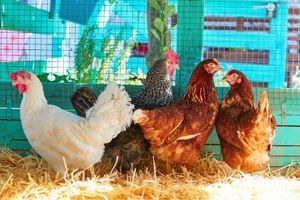
Backyard laying hens are one of the simplest animals that you can keep. If you can keep them from getting eaten, then you have already conquered the hard part. Well, that is if you are legally allowed to keep them.
Eggs cost around $6 a dozen average right now in this nation. That is wild!
A government that cared about its people would be loosening backyard hen keeping restrictions and talking about how easy it could be for millions of Americans to produce 6 eggs a day in their own backyard!
Blocking Water Storage Capabilities
Water storage is essential, not just to preppers. All people need to have access to water. This is not just about World War III or an EMP. It is a measure of our own independence to be able to have access to water.
In many places, all over the country, governments have instated laws keeping Americans from gathering water in rain barrels. This immediately takes a major means of water independence away from you. The average rain barrel can hold 55 gallons of water for you to use in an emergency.
That water can be harvested and filtered as shown in this guide, and used to drink, or it can simply be used to flush toilets when the water is out.
Whatever you use it for having that extra water makes you stronger as an individual and more prepared. It is mind boggling that the government would want to stand in the way of that.
Manipulation Of Energy Prices

Whether you are keeping up a rural homestead or living in the suburbs of America, chances are that you need to have fuel to live your best life.
When the government gets in the way of a market that is trying to meet the demand of market that government is stepping way out of line.
In this energy crisis that we are in there has been one hindrance bigger than all the rest. Our government here in the US has weakened our fuel production to levels not seen before. We have been pulling from our strategic oil reserves and none of it is necessary.
The reality is that we have been and should be a net exporter of fuel in this nation. Not only is it important for your independence to have access to affordable fuel, it makes a safer world when America is exporting fuel in massive amounts over places like Russia.
Starting Wars
Living independently is tough when the threat of nuclear war is looming over your head. In our nation the President must seek approval from Congress to go to war. Yet, of the many wars or ‘conflict’ we have been involved with there hasn’t been a lot of approval seeking!
Here we sit again, facing a couple of ‘conflicts’ that are affecting our freedom and daily life, yet not one of us gets to raise our hand and say yes or no for involvement with this war in Ukraine or the brewing conflict in Taiwan.
While you might think you can move away from cities and get to an isolated place where war will not affect you, if it gets bad enough it will affect everyone on this planet!
Attacking Your Income
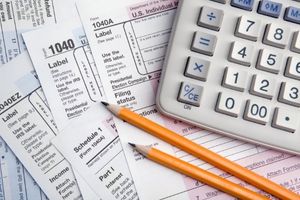
Such sweeping changes have come about over the last 3 years, and they have come without our input, that we can argue that things like war, education, and the general passing of laws and spending bills has reached a point of taxation without representation.
Still, our tax burden grows.
This year the IRS is going as far as taxing payments of $600 or more that are made to you through payment processors like PayPal and Venmo.
Every bit of income that is taken from you by your government and reappropriated in a way that you have no say in is killing your independence and stopping you from living independently.
The End-Of-Life Monopoly
When someone you love gets terminally ill or passes away it is one of the hardest things on the family at large. It’s such a big issue that it can literally rip families apart.
Whether you are seeking affordable medical care for the person you love or dealing with an estate and all that goes along with it, the government is there to “help” at every turn.
Did you know that if you don’t have the money to pay for care for your aging parents then the government will “help” by seizing their assets and selling them off so you can stick them in a nursing home.
The government will also weasel its way between you and anything you put on a will so they can divert some of your inheritance to bureaucracy.
Should you not be able to keep up with the property that you have inherited or afford the taxes, the government will gladly seize that wealth that was left to you in the will your parents drew up.
It is true that over the last 20 years government has grown to an incredible size with astronomical monetary demands. It is not the first time in history we have seen this story play out.
The independence and strength of the individual is what is necessary in our time. Though the government seems to be doing its best to kill our independence, there is almost always a way around it
We still have the right to vote and the power to communicate with our representatives. You may even be able to go in front of a city council and discuss certain grievances.
While this might sound like a hail Mary, I have seen laws and rules change many times because groups were formed and those groups stood before elected officials and made a case.
That begs the question: Is the government killing our independence because we are too comfortable to fight for it?
Also watch: www.whatfinger.com
-
3 Tips To Reduce Your Trackable Fingerprint And Throw Government Spies & Digital Criminals Off Your Trail- There Are More Than 30 Million Surveillance Cameras In The US
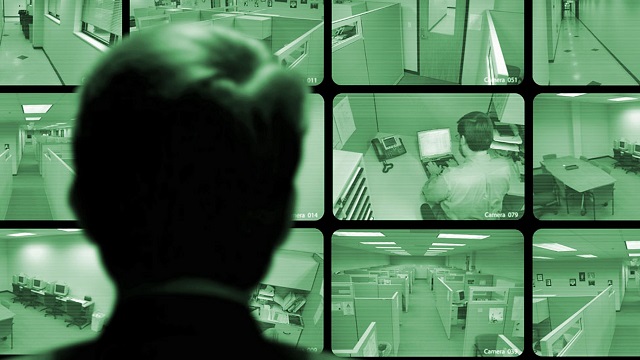
I found this statistic to be pretty shocking…
Did you realize that you can currently be found in approximately 200 different databases?
And that there are more than 30 million surveillance cameras in the US?
That’s one camera for every ten Americans… and there are more cameras every day.
Add to that the advancements in facial recognition technology and you can see why so many patriots are becoming more and more concerned about living life “under the radar” and avoiding the increasing rate of government surveillance infringing in our lives.
Here Are 3 Tips To Reduce Your Trackable Fingerprint And Throw Government Spies & Digital Criminals Off Your Trail…
1. Break your normal patterns (like how you get to work, where you shop, how you dress, etc).
Even “disguise” yourself simply by having a few different hats and wearing sunglasses to be less identifiable.
It’s not that you’re trying to necessarily lose some black-ops assassin hot on your tail…
…it’s about training yourself to avoid predictable patterns that we all fall into which will drastically shield you from all sorts of crimes you may not even see coming.
2. Turn off your phone’s “location finder” that allows your whereabouts to be more easily traced.
Leaked reports reveal that the government is paying close attention to the activities of those it feels are “persons of interest”.
Namely, gun owners, 2nd Amendment supporers, military, and anyone who’s concerned about an over-reaching government.
Turn off your phone’s “location finder” when traveling to locations such as gun shows, the range, or any political events or rallies.
3. Use cash “selectively”.
Some stores (like Starbucks) have been warned about “suspicious persons” who may use cash a lot, and asking them to report these persons because they might be “domestic terrorists”.
I know it sounds crazy, but it’s absolutely true.
Use credit or a gift card at stores like Starbucks to “blend in” with the other customers.
However, for purchases that you don’t want to display a “trend” on your credit card records (I’m talking about things like ammunition), use cash and buy in smaller quantities.
There’s a LOT more to knowing how to live a lifestyle “under the radar”…
It’s not about being “paranoid” and you don’t have to go completely underground like some secret agent.
It’s a matter of being “less tracked” than the other people who don’t follow these simple tips and are more of a target.
Change just a few habits and you can virtually disappear from government spies and others.
Also watch: www.whatfinger.com
-
You Need This To Survive A FEMA Takeover (What are the true powers of FEMA in an emergency?)

What are the true powers of FEMA in an emergency? I have been writing about this for a long time and have parsed out some very important things.
For us to understand what you need to survive a FEMA takeover you first must understand what you are dealing with in FEMA and what kind of FEMA presence you will face.
FEMA has a sizeable operating budget of around $20 billion dollars annually. It also employees around 20,000 people but this number can change drastically based on the size and scope of a disaster.
They can quickly and effectively increase their numbers using temporary response personnel.
What FEMA Cannot Do
Let’s start with the things that FEMA cannot do so you know what you are preparing for. If we face something like a grid-down collapse in this nation where no one has power, then you can forget about FEMA altogether.
Even with $20 billion dollars, they have no capacity to touch every city let alone rural towns across America. You will be on your own and you will not have to worry about FEMA pulling up as they will be totally stretched trying to hold the nation’s largest cities together.
FEMA and the National Guard are incapable of rendering aid or even touching base with 300 million people spread out across the entire nation.
What FEMA Can Do
Following hurricane Katrina, FEMA brought in 30,000 National Guard troops to help with all sorts of efforts on the ground.
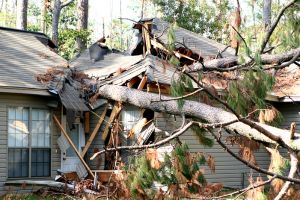
Search and rescue was a massive undertaking but there was also disarmament of the population happening.
The spokesman for the local PD in 2005 said there were 552 confiscated guns being stored at the local police station following hurricane Katrina.
Hopefully, you already live in an area that is removed from the likelihood of a major evacuation or disaster that would affect millions of people. This is the kind of disaster where FEMA can move in and move in with power. At its most oppressive FEMA will be in a targeted area with lots of people.
You Need INTEL To Survive A FEMA Takeover
If there is one thing that can help you above all else when you are preparing to survive a FEMA takeover, it’s intel. You need to know what is going on in your area of operation and that is before and after a disaster.
You need to open those intel channels now and not wait until the disaster or this plan is not going to work out.
Community
One of the saddest things about America today is that you do not know who lives in your neighborhood. Most preppers are scouring their area and attending meetings to find people who have specific skills like medical, LEO, or even military veterans.
Odds are you have people just like this in your community. I found a doctor and a flight paramedic in my neighborhood just by getting to know people. These people in your community will be your first source of intel about what is happening around the community with FEMA.
Local
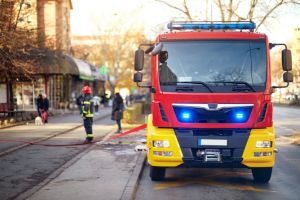
Beyond what’s happening in your community, you will also be able to glean a lot of information from local news, local events, and even local first responders if you know where to look. When it comes to local news you can get an understanding of the hardest hit areas in your region. This will tell you a lot about where the FEMA presence will be.
There is an app you can download on your phone called Broadcastify. You cannot listen to much of what the police are doing with this app but other first responders you can listen in on. This was very effective for me during the 2020 riots here in Richmond, Virginia. It really helps you hammer down where the chaos is.
In a FEMA takeover you could listen in to first responders and see where FEMA is dumping their resources.
National
Depending on the scope of the disaster this kind of intelligence may vary in availability. A high-quality survival or emergency radio will allow you to hear what is going on with national broadcasts even if there is no power in your immediate area.
Alternatively, the only way to communicate off grid in a crisis and how to turn a CB car radio into a powerful transmitter capable of emitting and receiving communications from hundreds of miles away.
National intel is likely to give you direct reports on where FEMA is going and maybe even stats on how many agents are in the various regions.
More Tips For Surviving A FEMA Takeover
There are other things that can help you survive a FEMA takeover in your area. Here are some tips.
Mark Your Home

Mark your home the same way that FEMA is marking houses that have been searched. FEMA is not going to search the same place twice.
You can also use markings to keep people away from the home if you know what they mean.
FEMA search and rescue markings are usually spray painted on a building after they have searched it. It starts with a Red X.
Top Section: Date Searched/Time Exited
Left Section: Team/Time Entered
Right Section: Hazards
Bottom Section: Victims
If you want to make your home immediately unappealing to all, simply put BIO HAZ in the right section of the X as this will tell people there is a biohazard present in the home.
Work Together
If FEMA happens upon a community that is in trouble, then they will have to use resources to help that community. If they arrive at a community that is self-sustaining then they will move the resources where they are needed.
You want to be the latter. Of course, that takes planning and preparation. It takes getting to know people and that is usually uncomfortable for the average person. However, it pays dividends in a disaster in the quality-of-life department.
Focusing on a single type of intelligence is only going to get you so far. If you truly want to survive a FEMA takeover, then you need to take a holistic approach to intelligence. The sum of it all is what paints the picture for you.
Community intel tells you what is closest and comes from direct sources, local news gives you a broader but still local take and national news can help you understand the bigger picture.
Another thing that you need is a safe space, completely concealed from view. A place that remains undetectable by any FEMA agent or drone equipped with infrared sensors.
I’m talking about an invisible root cellar, strategically buried a short distance beneath the surface in your own backyard. This is where you can find refuge alongside all the necessary provisions for sustaining yourself, not merely for a brief period, but potentially for several months if circumstances demand.
The blueprint I’m about to reveal draws inspiration from the root-cellars of our ancestors, yet it has undergone significant enhancements to the point where it resembles more of a budget-friendly military bunker.
Constructing it involves a cost of less than $400 and can be accomplished in less than a week, with the efforts of a single individual.
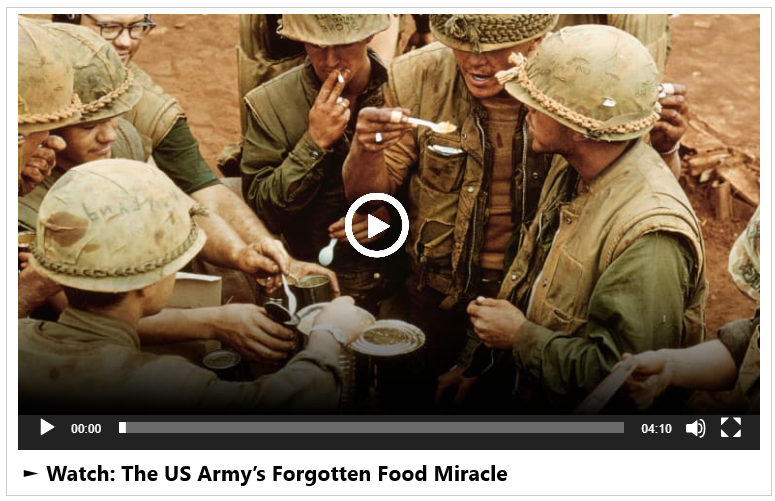
Viral Content: The US Army’s Forgotten Food Miracle:
Source of this article- http://www.askaprepper.com
Also watch: www.whatfinger.com
-
Most Americans Will Be Wiped Out- There Are Signs That The Anarchy Are Coming, Just As There Are Signs That The Government Is Losing Control. (For Governments to Function, They Must be Able to Control The Society.)
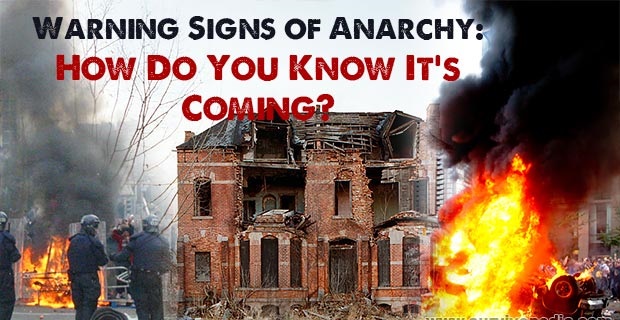
The word “anarchy” dredges up images of third-world countries, overrun by rival warlords battling for control. Yet anarchy can mean a number of different things. By definition, civil war is a form of anarchy; because any society in anarchy is one in which the government has lost control. It can manifest in lawlessness of many types, even without a total collapse of the government.
For governments to function, they must be able to control the society. Whether this is through fear tactics and bullying or through a just system of laws and authority, the government must be able to predict what the members of society are going to do, as well as direct their energies into productive directions.
To the degree that they lose that ability, anarchy has set in.
The American Revolution was a time of anarchy. Our brave forefathers broke off from British rule and established what later became the United States of America. Britain reacted to this by sending military units to put down the rebellion. For a time, neither side had full control, leaving the people to govern themselves until the revolutionaries won their freedom.
While these sort of revolutions always seem to take us by surprise, there are signs that they are coming, just as there are signs that the government is losing control.
How Do You Know When it Starts?
When we see a number of these signs happening at the same time, we can be sure that a country is on the road to anarchy, even though they might not be on the brink of revolution or of a complete breakdown of society.
- Supply shortages – When people have a hard time getting the things that they need for day-to-day survival, they are likely to react in anger and violence. This happened in the Argentinean financial collapse, with hundreds of thousands of people turning out into the streets in protest. Many of those protests turned violent.
- Increased crime rates – One of the principal purposes of government is to protect the people. This is manifested through the various police departments and court system; apprehending, trying and incarcerating criminals that threaten society. When the government can’t deal effectively with these criminals, it encourages others to join their ranks.
- High unemployment and poverty – People who are fat and happy are not anywhere near as likely to rise up in revolt as those who are hungry and angry. When a government can’t create an environment which provides financial and material security to people, their anger spills forth in acts of defiance and lawlessness.
- Government ignores citizen’s wishes – When a government stops paying attention to the wants and needs of their citizens, the people begin to distance themselves from the government; “divorcing” themselves from it. It is easy to rebel against a government that you don’t feel is yours or that you feel doesn’t care about your needs.
- Financial instability – The financial climate of a country greatly affects people’s ability to take care of their basic needs and those of their families. A government which doesn’t provide an atmosphere of financial security is ignoring the people’s most basic needs.
- Class and racial warfare – When a society becomes divided, people are more likely to turn against one another. This can turn to low-level warfare between different races or classes of people. Left long enough, it can lead to genocide.
- Police brutality – Police are always outnumbered by citizens. When police feel threatened by the citizens that they are sworn to protect, they often turn respond with aggressiveness and violence. Police can only control the people when the vast majority of people are not involved in any social unrest. When the police are outnumbered by dissidents, they have to turn to more violent means of control, which can easily spark retaliation from citizens.
- Lack of confidence in elected leaders – While there are always dissidents who are opposed to the elected leaders, when the vast majority of society loses confidence in them, they stop listening and stop obeying.
- Lack of government funding – If the government does such a bad job of managing the economy that government revenues start to shrink, it can cause government services to be curtailed. Typically politicians will react to this by increasing taxes, especially on the middle class. Eventually, they reach the point where people find ways to stop paying taxes, further reducing government revenue.
- The law stops having meaning – When the government stops obeying the law, it sends a message to the people that they too can stop obeying the law. Without the law to protect us, we are only a step away from anarchy.
- A major disaster – Any major disaster can bring on anarchy in a moment; it doesn’t matter if it is a man-made or natural disaster. Plagues have been known to bring it on.
Anarchy doesn’t necessarily start at a particular point in time. Often, a society slides into anarchy as government gradually loses control. The government might technically be in place and operating, but they are ignored by the vast majority of the population. As this increases and government influence decreases, others step in and try to take control.
While any one of these things can be a harbinger of anarchy, the greatest danger is when you see a combination of them working together. The more signs off of this page that are going on at the same time, the closer a society is to falling into anarchy.
If you have seen any of those signs advancing in our society, speak up you mind using the comment form below!
-
The Hunger Games: The Potential Consequences Of Climate Change On Global Food Security- Experts Say Such Disruptions Are Likely to Occur More Frequently As A Warming Climate Plays Havoc With Global Food Production.
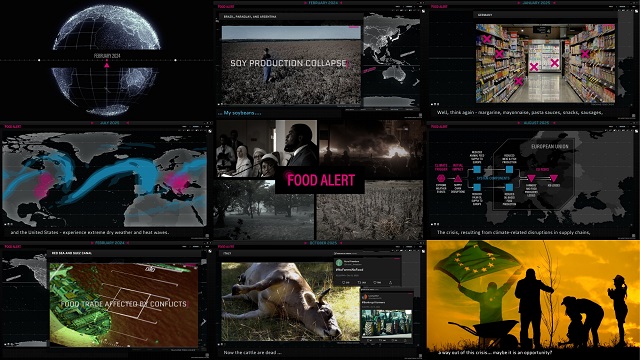
On 2015 the World Wildlife Fund and the Center for American Progress conducted a crisis game examining global food security, Food Chain Reaction. The game design was undertaken by CNA, with funding and technical support from Cargill and Mars.
According to a report on the simulation by Bloomberg:
The year is 2026. Flooding, worsened by climate change, has devastated Bangladesh and driven millions of hungry refugees to its border with India. Worried about unrest and disease, India asks other nations for help.
The U.S. and China respond — China with aid deliveries, the U.S. by boosting aid to Pakistan, which has its own food crisis that’s adding to India’s tensions. That assistance helps India focus on Bangladesh. The crisis recedes.
While the scenario was fictional, two food-price shocks since 2008 have prompted riots and fueled revolutions around the world. Experts say such disruptions are likely to occur more frequently as a warming climate plays havoc with global food production. That fear brought together representatives of corporate food producers, aid groups and governments for two days this week in Washington where they role-played a simulated food crisis. Bloomberg News also participated, representing how media would react to a crisis.
“With climate change, how we deal with food-security threats requires some serious rethinking,” said Kathleen Merrigan, a former U.S. Deputy Secretary of Agriculture who participated in the exercise. “The ups and downs of prices and surpluses will only become more extreme.”
In the simulation — some called it the “hunger games” — at the U.S. headquarters of the World Wildlife Fund a fictional narrative was created to simulate real dangers that can emerge quickly as an increase in greenhouse gases contributes to volatile weather. In 2011, a real-life drought in Russia fueled food riots in North Africa that fed the Arab Spring uprisings, the aftermath of which reverberates in Syria today.
…
The fictional scenario began in 2020, with El Nino devastating crops in India and Australia, followed by a major drought in North America the following year.
Eight teams represented the U.S., European Union, Brazil, China, India, Africa, multilateral organizations such as the United Nations and World Bank, and global businesses.
Global food inventories declined through the first half of the simulated decade, with the Mississippi River flooding and drought in Asia. Food-importing nations in Africa saw demonstrations against rising food prices, while rising oil prices diverted more production to ethanol, further stressing supplies.
The crisis peaked in 2024, with record food prices generating unrest in Africa, South Asia and Ukraine. Both the U.S. and EU teams decided to repeal mandates requiring ethanol use, while Brazil ramped up production of all crops, including sugar used for biofuels. China invested in dams to protect scarce water.
‘Lifelike, Realistic’
The EU added a meat tax to discourage expensive livestock production and temporarily relaxed environmental regulations to boost its own production. The U.S. enacted a carbon tax, India taxed coal and support for a global climate deal was universal.
One point of the simulation was to create plausible scenarios to prepare participants to respond to real-life threats, said Kate Fisher, a game director with CNA Corp., a research organization that creates crisis simulations for the Defense Department and other federal agencies.
“It’s planning by doing,” forcing participants to make decisions and react to one another, she said. “We try to make it realistic. The players make it lifelike.”
These hunger games proved to be never-ending.
By 2027, the EU repealed its emergency measures on meat and regulations, as a series of large harvests built up supplies, though trouble persisted in Chad, Sudan and other parts of Africa that hadn’t invested in agriculture. Countries began working more closely with the United Nations to handle refugees from climate catastrophes.
New Normal
But prices, and temperatures, rose again at the end of the decade, showing how abnormal is expected to be the new normal in food and agriculture.
…
You’ll also find a report on the Cargill corporate website:
Over two days, the players – divided into teams for Africa, Brazil, China, the EU, India, the U.S., international business and investors, and multilateral institutions – crafted their policy responses as delegations engaged in intensive negotiations.
Cooperation mostly won the day over the short term individual advantage. Teams pledged to build international information networks and early warning systems on hunger and crops together, invest jointly in smart agricultural technology and build up global food stocks as a buffer against climate shocks.
In the face of a steep price spike with looming global food shortages in 2022, the EU at one point suspended its environmental rules for agriculture and introduced a tax on meat. Both measures were quickly reversed in 2025, as harvests went back to normal and tensions eased in the hypothetical universe.
The most eye-catching result, however, was a deal between the U.S., the EU, India and China, standing in for the top 20 greenhouse gas emitters, to institute a global carbon tax and cap CO2 emissions in 2030.
“We’ve learned that a carbon tax is a possibility in years ahead,” acknowledged Stone. “But before we can consider moving ahead with a measure like that, we must study it and understand it much better. We have to avoid sudden market distortions and unforeseen consequences.”
Stone said he was impressed with the complexity of the game and the second and third order consequences of some of the decisions that were taken. “Take the meat tax Europe wanted to impose, and think through that. What meat are you going to tax – does that mean poultry and beef or aquaculture as well? Where do you levy the tax, where does the money go, what are the unintended consequences?”
‘Not just putting out fires’
The game was built over the course of months, with maximal realism in mind. The scenario was extrapolated from events that have actually occurred in the real world, such as the food crisis of 2008-2009 or the recent string of hottest years and months on record.
Cargill economist Tim Bodin, who helped design the game and sat on the judges’ panel that evaluated the team’s moves, said he was surprised by the degree of cooperation. “Most people started out with a short-term perspective, but transitioned to long-term measure pretty quickly – they started working to strengthen resiliency instead of just putting out fires.”
The realism of the exercise exceeded expectations, said former U.S. Senate majority leader Tom Daschle, who acted as a mentor to the players. “It’s much closer to the real world than you’d think. The people who play here are very committed and serious.”
If you have any dissatisfaction with my content, you can tell me here and I will fix the problem, because I care about every reader and even more so about your opinion!
-
Intersting- What Happens When the Government Becomes Your Worst Enemy

Chile has struggled to become a thriving democracy. Once a dictatorship under Augusto Pinochet, the country has gone through considerable turmoil since his death. Capitalism has not treated everyone fairly in this country, even though Pinochet was once lauded for the dynamic free-market economy he created, once cited as the “model for the developing world.”
By no means has Chile been the only country which has struggled to become a free-market democracy. Russia is still struggling, decades after the collapse of the Soviet Union. Iraq really hasn’t accepted democracy as a political model, even after enormous amounts of investment by the US government. Other countries have struggled as well, but not with the same results.
Much of the problem that Chile has been experiencing has been due to the vast income inequality that exists in that country. While there are portions of the population which are thriving, many others are still suffering, especially those who are dependent on retirements that were established under the Pinochet regime. Many schoolteachers are still working into their 80’s, because they can’t survive on their $300 a month pension.
For those working in non-skilled jobs, public transit to take them to and from their work costs as much as 21% of their weekly wages. Thus, when the government announced a 30 peso rise in the cost of the metro, it was met with anger. A student-led protest, called evasión swarmed the metro, jumping the turnstiles to avoid paying the increased fare. Workers took advantage of the opportunity to save a little money and joined the protest.
While protests are nothing new in Chile, these seem to have gained traction. A demonstration which started in the capital has now spread to many of the major cities, with continued evasión of fares and widespread protests in the streets.
It appears that socialist organizers and anarchists have joined in the protests, working to turn it to their political ends. As in many such cases, word coming out of Chile is a bit confused, with each side accusing the other of what they themselves are doing. Much of the reporting is tainted by the political leanings of the reporters who are on the scene. But one thing is certain, the government’s response doesn’t stand up under scrutiny.
The Government’s Response
President Sebastián Piñera has declared that his country is “at war.” But if it is, it’s a war between the government and the citizens. While some government response is required to the violent acts of the protesters, that should be a police response, arresting the worst of the offenders and those who are inciting others to commit illegal acts. Protests, as our own government has learned, are not the reason to call out military forces armed and equipped to use deadly force.

We’ve seen that before in this country; at Kent State University in 1970. National Guard troops were called out in response to a protest. Although the National Guard does receive some training in how to respond to a riot, they are first and foremost soldiers, equipped and trained to kill, not to arrest people. In this case, the results were four dead college students and another nine who were injured.
The soldiers on the streets of Chile reminded many of the older citizens of the years of Chilean dictatorship, when such sights were common; a parallel that was lost on the students who started the protest. For the older citizens, that sight struck fear in their hearts.
The government has admitted to eight people being killed in the protests, but information leaking out of the country claims over 20 killed. There are also widespread reports of police and military brutality against the population, including against people who were not protesting, but merely in the wrong place at the wrong time.
Martial law was declared by the President, early on in the protests, allowing for the use of military forces and imposing ever more restrictive curfews on the people. Interestingly enough, whenever the protesters have gotten the upper hand, troops have retreated to wealthy areas of the cities, focusing on protecting the wealth centers. It seems clear from that action alone, that the leadership of the country is only interested in protecting their financial standing, not protecting the people.
Under martial law, police and military forces have beaten hundreds or perhaps even thousands of innocent people, often plucking them off the streets in civilian clothes, in an attempt to hide their identity. Civil rights are being trampled daily, as the government attempts to regain control.
Could that Happen Here?
Regardless of where you stand politically, Americans have grown afraid of politicians on the other side, especially as the political divide has grown. Each side assumes that the other is likely to declare martial law, on the thinnest of pretexts, imprisoning those who have declared themselves aligned with the other side. Yet that sort of thing has never happened in this country. For that matter, we haven’t seen people rounded up and put in any sort of detention camps since World War II.
Those on the left decry the “oligarchy” regularly, declaring that this country is actually run by them. But I’d like to propose a different viewpoint on that. That is, every government that has ever existed has been an oligarchy of one sort or another. Even monarchies are oligarchies, as the wealth is concentrated in the hands of the royalty.
Successful merchants could buy themselves titles under such a regime, gaining political respectability. But that’s not all they bought; they bought access to the throne, the seat of power. That’s what their titles and their money did for them, just like the oligarchy we have today.
Why is this important? Because in reality it has always been the oligarchy, the elite, who have been in control. I don’t care if you’re talking about the Rothchilds, the Bilderberg group, George Soros or our own political parties, they have kept the power to themselves. Much of the reason why they hate President Trump, is that he has defied their rule and has been working to do whatever he can to overthrow it.
As we’ve seen in the last few years, these power-brokers will do whatever they have to, in order to keep their power. Rumors have existed for years about how the Clintons have done away with anyone who could be a whistleblower on their nefarious actions. The same sort of rumors existed about Obama when he was in office. I’m sure if we searched around the world, we would find many more examples.
The accumulation of power and money is the central focus of these people’s lives. As such, they will do whatever it takes to retain that money and power. They don’t mind if we “little people” accumulate wealth or even some local power; but they aren’t sharing theirs with us. They will use whatever they have to, in order to keep control. Whatever they have to includes military forces.
These power brokers have control of large portions of our government, just like they do in other countries. As long as things go their way, they will allow us the illusion of our freedom. But if things don’t go their way, you can be sure they will take the necessary action to retain power.
What that Means for Us
One big difference between the United States and Chile is the Second Amendment. Even though there are those who are constantly chipping away, trying to take that right, the Second Amendment guarantees our right to keep and bear arms. There is no such equivalent in Chile.
That’s not to say that the Chilean people can’t own firearms. They can; but there are huge hurdles to overcome in order to get a permit to own one. Even bigger hurdles exist to having a permit to carry that gun outside your home. On top of that, private ownership of semi-automatic arms is prohibited.
Should martial law ever be declared in the United States, you can almost guarantee that it will be accompanied by widespread gun confiscation. This happened in New Orleans, in the wake of Hurricane Katrina. Probably the only thing that kept that from turning ugly and kept armed citizens from defending their right to keep and bear arms, was that there were so few of them still in the city; government forces had them outnumbered.
Many have declared that widespread gun confiscations would result in civil war. I tend to agree with that. While there are many gun owners who would give up their guns, albeit reluctantly, rather than fight government troops, there are enough of us who would stand up for our rights. How that war would end is anyone’s guess.
Recently, the new Democrat majority in Virginia’s state legislature passed a number of very restrictive gun control laws, without taking into account public opinion. They ended up being forced to retract those laws, when citizens got up in arms about it and law enforcement officers declared that they would not enforce those laws.
The same thing has happened in other parts of the country, as Democrat controlled state legislatures have tried over and over again to tamper with our Second Amendment rights. But in each and every case, while there have been some who have complied like good little sheeple, the majority refused.
This means that any protests against government overreach here in the United States have the potential of becoming much more violent than they do in other countries. While those of us on the right, who own most of the guns, are not the kind to take violent action, there are always a few who don’t see it that way. All it takes is one or two of them to start the ball rolling, and things could turn ugly, real quickly.
A second American Civil War would be even bloodier than the first. Not only are there more privately owned guns in the hands of citizens, than there are citizens, but the level of military technology has increased by several orders of magnitude. Hunters alone have our military grossly outnumbered. On the other side, the military has all the tanks, planes and artillery. As I said, it would be bloody.
This is probably why there are those in government service who are so bent on disarming the population. It also explains why the AR-15 is the main target of these people. You can’t win a war with pistols and even trying to win it without semi-automatic rifles would be difficult. Those who want to control us don’t want us to be able to fight back.
Throughout the last century, there have been numerous examples of what happens when the government disarms the civilian population. What we’re seeing in Chile today is nothing new; it has been done time and time again. Those who want to be despotic dictators (regardless of what political name they hide behind) know they must disarm the people first. It’s much easier to get sheep to submit, than it is to get sheep dogs too. The sheep dogs have teeth.
If anything, Chile serves as one more reminder as to why we need to defend our Second Amendment rights. Otherwise, it’s much too easy for those who would take away what remains of our liberty, the freedom to do so.
Also watch: www.whatfinger.com
-
The Home Defense Shotgun: In A Home Defense Situation, Nothing Beats A Good Shotgun And Training. (The Looters See A Time Of Natural Disaster As The Perfect Opportunity to Break Into People’s Homes And Steal Their Belongings.)

Anyone who wants to prepare themselves for home defense, riots, and looting will want to own a shotgun. There are many reasons why someone should have a shotgun available in their possession for the preparation of such events. Even if you are not interested in hunting or recreational shooting, a shotgun is always good to have for home defense purposes no matter who you are. No one likes to think that their family or property will ever be in danger, but there is always the possibility of someone trying to break into your home for whatever reason.
As a prepper, you need to be ready for anything. Someone could break into your home no matter where in America you live. There is an even greater chance of this happening if there is a natural disaster or riot taking place in your area. We’ve already seen a dramatic increase in the number of hurricanes that strike the North American states and territories each year. This trend is likely going to continue as the years go on.
If your area was hit by a hurricane before, then you already know how differently people act during these times. One real problem that emerges in the middle of this chaos is looting. These looters see a time of natural disaster as the perfect opportunity to break into people’s homes and steal their belongings. They figure the property owners will have already vacated their premises and the police will be too busy or unresponsive to deal with a break-in situation at someone’s home.
Of course, if you are like many people, you will not leave your home during a time of chaos. You will hold down the fort and protect your home at all costs. Looters won’t typically target homes with people inside, but sometimes they will if they think the police won’t show up because the power’s out and the cell phone signals aren’t working. There is also the chance that looters will think no one is home when there really is someone home.
When there are riots, the main targets are typically businesses and commercial property. But there is always the chance that residential property could become impacted by looters too. Regardless of which type of property you own, a shotgun can still be useful to keep angry rioters and looters out of your property. Just make sure you don’t go shooting them on the outside of your property if they haven’t threatened you. Depending on the laws of your jurisdiction, you need to be careful when shooting an unarmed intruder or trespasser and understand the legal consequences of what could happen if you do.
In most cases, if someone actually breaks into the structure of your property, the owner is allowed to defend their property with whatever it takes. You can’t rely on alarm systems and smart security technology to save you, especially if there is a natural disaster. The only thing that can save you and protect your property is a good old-fashioned shotgun. For over a hundred years, property owners have used shotguns to protect their property and they are still just as useful today as they were back then for doing so.
If you were to surprise a looter by pointing a shotgun at them, they will likely run away as fast as they can without putting up a fight. Looters are usually cowards who are not looking to engage in a gun battle with a property owner. They’re just looking to loot a property quickly without any resistance. If they see you with a shotgun, they will give up on looting your property right away. The same goes for anyone looking to break into your property, even when there is not a disaster.
It helps you to practice shooting your shotgun in preparation for such events. You certainly don’t want to end up in a situation where you must protect your home and are not sure how to fire your weapon when you need to. That is why it is recommended that you go practice shooting at the nearest firing range or open field so you can feel confident in your shooting abilities. Then, if the time comes when you must use the shotgun to defend your home, you will be able to do so without hesitation.
You should choose a shotgun that you are most comfortable with using. I have always liked the pump shotguns for two reasons. First, there are few sounds that are as bone-chilling as the sound of a round being chambered in a pump shotgun. Day or night, this is one of those sounds that snaps everyone to attention. Just the sound could be enough to make the intruder turn and run and, in most cases, leaving a trail of DNA in their retreat.
Second, even a 12 gauge Magnum Express Slug fired from a shotgun is going to fall safely to the ground in less than a few hundred-meter meaning, unlike your Glock 21, the round is not going to go through the intruder, your wall, your neighbor’s teenage sons car parked across the street and on into your neighbor’s house possibly doing great harm there as well.
Most people will choose the Remington 870 Express pump-action shotgun because it is affordable and reliable. If you practice enough with the weapon and get good with it, you could always upgrade it to a Remington 870 Police version. But don’t think you have to do this to protect your home. Any working and reliable shotgun will do a good enough job of deterring looters and thieves. Again, it is very rare that you’ll ever need to shoot your weapon at them.
Conclusion- Selecting a home-defense firearm is not something that should be taken lightly, make sure you do the proper research. Do your homework. Go to your local gun shop or range and try out as many different firearms as you can before you buy.
Also watch: www.whatfinger.com
-
WHO’s Pandemic Accord Will Give It Control Over U.S. Livestock and Food Supply (Everything will be done in the name of a “pandemic,” and we will be powerless to stop it.)

I’ve read many articles on the World Health Organization’s attempt to take over the U.S. pandemic response through an accord that will allow it to impose vaccines, lockdowns, and essentially any restrictive measure it wants in the name of a virus. But nobody is talking about how the accord will give the WHO complete control over agriculture—wild and domesticated animals—and our food supply.
The WHO’s incoming chief scientist said on Monday governments should invest in vaccines for all strains of influenza that exist in the animal kingdom in case there’s an outbreak among humans.
Jeremy Farhar, who is leaving Wellcome to join the WHO later this year, said during a media briefing in terms of a potential pandemic event, H5N1 is a “big worry.”
Farrar warned the H5N1 (avian) influenza viruses are being allowed to circulate among poultry, wild birds, and mammals—and is the perfect way to “create something nasty.”
This should have your attention full stop because the WHO is gearing up to give itself the authority to declare pandemics and to control this country’s pandemic response. As I reported in a post published earlier today, the WHO has published a draft of the pandemic accord the Biden administration fully intends to enter into.
What I didn’t dive into is the concerning language that gives the WHO not only the authority to impose mandatory vaccines and lockdowns but allows it to use “viruses” in animals and the threat of a “pandemic” to take over U.S. livestock and our food supply.
The WHO is already letting us know they’re going to start with poultry—and you’re either going to allow your flocks to be controlled, surveilled, and vaccinated, or they’ll be killed so the viruses they don’t have won’t spread to people (or harm the environment). They are already laying the groundwork for this, and the authority they’ll derive this power from is the pandemic accord.
If you read through the 32-page draft of the accord, you’ll see how this document gives the WHO the authority to take control over U.S. agriculture and our food supply:
- By signing onto the accord, a country acknowledges that “most emerging infectious diseases originate in animals, including wildlife and domesticated animals, then spill over to people.” (See p. 6)
From the outset, they’re laying the foundation that “most infectious diseases” begin in animals; thus, their ability to regulate animals is within their purview. - Parties must reaffirm the importance of a “One Health approach” to detect and prevent health threats at the animal and human interface, “in particular zoonotic spill-over and mutations, and to sustainably balance and optimize the health of people, animals, and ecosystems.” (See p. 6)
In other words, a member state that signs on to the accord has to agree to drink the Kool-Ade. They don’t want member states dissenting, so everyone needs to “reaffirm” their loyalty to an initiative called the “One Health Approach,” whose scope includes the health of people, animals, AND ecosystems. - Parties must acknowledge “the creation of the Quadripartite” to “better address any One Health-related issue.”
Here, you see who will have the “authority” over food and agriculture. It’s not the United States Department of Agriculture, Congress, your states, landowners, or farmers. It’s not even your elected officials or U.S. citizens.
The draft states explicitly that the “Quadripartite” consists of the WHO—whose top three donors include the U.S., Bill and Melinda Gates Foundation, and the People’s Republic of China—the Food and Agriculture Organization of the United Nations, the World Organisation for Animal Health, and the United Nations Environment Programme. - By signing this accord, a country must commit to integrating a “One Health surveillance system [. . .] to identify and assess the risks and emergence of pathogens and variants with pandemic potential, in order to minimize spill-over events, mutations and the risks associated with zoonotic neglected tropical and vector-borne diseases, with a view to preventing small-scale outbreaks in wildlife or domesticated animals from becoming a pandemic (page 24).”
Furthermore, each party shall “foster actions at national and community levels that encompass whole-of-government and whole-of-society approaches to control zoonotic outbreaks (in wildlife and domesticated animals), including engagement of communities in surveillance that identifies zoonotic outbreaks and antimicrobial resistance at source.”
The sections that follow discuss how parties must enhance surveillance to “identify and report pathogens” and strengthen “infection prevention and control in health care settings and sanitation and biosecurity in livestock farms […].”
In other words, if you have your own animals, the WHO is going to know about it and have control over them because . . . viruses.
According to the WHO’s website, OneHealth is an “integrated, unifying approach to balance and optimize the health of people, animals, and the environment. It is particularly important to prevent, predict, detect, and respond to global health threats such as the COVID-19 pandemic.”
OneHealth “involves the public health, veterinary, public health, and environmental sectors” and is “particularly relevant for food and water safety, nutrition, the control of zoonoses […], pollution management, and combatting antimicrobial resistance […].”
A One Health High-Level Expert Panel was formed in May 2021 to advise the WHO and other agencies on “One Health” issues. If these “advisors” are anything like the CDC or FDA’s vaccine advisors, we can expect that they have questionable ties to the WHO, Bill Gates, and pharmaceutical companies—and are merely there to enforce the WHO’s agenda.
The WHO’s website further states:“Critical areas this panel addresses include food production and distribution, urbanization and infrastructure development, international travel and trade, activities that lead to biodiversity loss and climate change, and those that put increased pressure on the natural resource base — all of which can lead to the emergence of zoonotic diseases.”
Do you see what the WHO is doing here? How clever to slide language into a pandemic accord that requires parties to ascribe to this One Health agenda—that is not explained at all in this draft.
The WHO isn’t just putting itself in charge of pandemics; they’re using the reality that some viruses originate in animals to take control of livestock and the food supply—and giving themselves the broad authority to do so in the name of viruses, “biosecurity” and even climate change.
Given Bill Gates is the second largest donor of the WHO and wants “rich nations” to eat “100% synthetic beef” and genetically modified plant-based toxin burgers, this should give you pause. This pandemic accord is the vehicle by which all of the ridiculous initiatives peddled by the elite at the World Economic Forum will be carried out.
This accord will, if entered into by the U.S., usurp our nation’s sovereignty, violate our privacy, restrict our independence, and infringe upon our right to grow our own food and raise our own animals. Everything will be done in the name of a “pandemic,” and we will be powerless to stop it.
Also watch: www.whatfinger.com
- By signing onto the accord, a country acknowledges that “most emerging infectious diseases originate in animals, including wildlife and domesticated animals, then spill over to people.” (See p. 6)
-
10 Survival Skills Your Great-Grandparents Knew (That Most Of Us Have Forgotten)
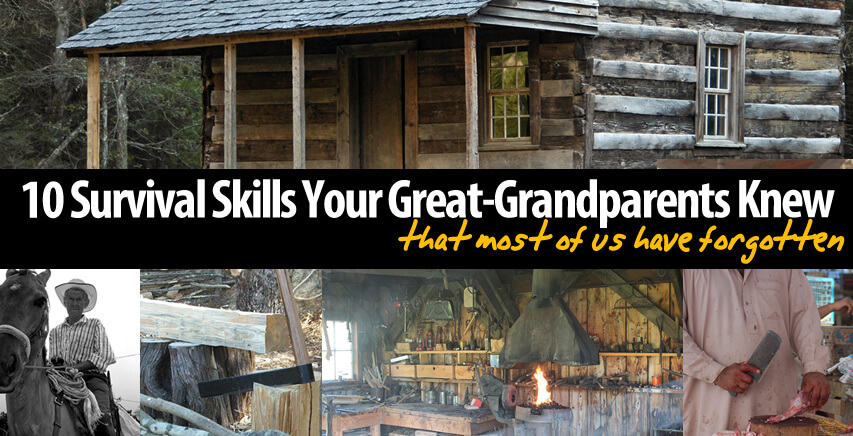
Our modern society is highly dependent upon we’ll call the “system.” Not only do we rely upon utility services to bring us electricity, water and natural gas, but also on an incredibly complex supply chain which provides us with everything from food to computers. Without that supply chain, most of us wouldn’t know what to do.
This situation is actually becoming worse, rather than better. When I compare my generation (I’m in my 50s) to that of my children, I see some striking differences. In my generation it was normal for a boy to grow up learning how to do a wide variety of trade skills from his father, and seemingly everyone knew how to do basic carpentry and mechanic work. But that’s no longer normal.
If we extrapolate it back, we can see that my father’s generation knew even more – and my grandparent’s generation even more. Those older generations were much more closely tied to the roots of an agricultural society, where people were self-reliant. There are multiple skills they had which modern society no longer considers necessary.
But if we were to have a breakdown in society, those skills which we never bothered to learn would become essential. Those who don’t know these skills would either have to learn or die trying.
1. Gardening for Food
During World War II, there was a campaign for people to plant “Victory Gardens” at their homes. These vegetable gardens were needed to alleviate food shortages, because so much of the nation’s produce was being sent overseas to keep our troops and those of our allies fighting. With fewer men available to work the farms, there was less produce available.
This custom of having a vegetable garden in one’s backyard survived for many years after the war was over, but it gradually died out. Today, when many people think of gardening, they are thinking of a flower garden. While those are nice to look at, they don’t give you much to eat.
Starting and growing a vegetable garden can be harder than most people think. When I started gardening, it took me three years to get more than just herbs and a smattering of produce out of it. I’m glad I didn’t wait until I needed that garden for survival.
2. Animal Husbandry

Although the industrial revolution took place more than 100 years ago, many people continued to raise at least a small amount of their own livestock at home. This led to cities enacting ordinances limiting what animals people could keep within city limits.
Raising dogs and cats is much different than raising chickens, rabbits and goats for the table. A large part of being able to raise these animals is recognizing their needs and being able to diagnose their sicknesses. Farmers don’t depend upon the vet for most illnesses; they take care of it themselves.
3. Food Preservation
It’s rare to find people who preserve their own foods, but in our grandparent’s generation, it was common. Canning food, smoking meats and even making one’s own sausage were all common home tasks, which ensured that people had enough food to get through the winter. Today, it’s rare to find people who know these methods of food preservation, let alone having the equipment needed.
If we go back very far in American live, pretty much every middle class home had a smokehouse for preserving meats. I’ve seen some homes where the smokehouse was actually in the kitchen chimney. Instead of building a normal chimney, they had a very wide one, with enough room to hang sides of beef in it for smoking.
4. Blacksmithing
You might think that blacksmithing goes all the way back to the Old West, but in actuality it is a skill that stayed around much longer than that. My dad was a blacksmith in his later years, although most of the work he did was ornamental.
I remember traveling in Mexico about 20 years ago and having a spring on my car’s suspension break. A local blacksmith fashioned me a new spring, tempered and shaped exactly right for my vehicle. Blacksmiths can make or repair just about anything out of metal. Yet few today know this valuable skill.
Maybe we don’t need blacksmiths today, but if an EMP hit the country and we were without electrical power, the skills of a blacksmith would allow people to have their tools repaired — and new ones fashioned. Since the manufacturing plants presumably would be shut down, that ability would be essential for rebuilding America.
5. Basic Carpentry

Everyone should know how to make basic repairs to their home. Without the ability to repair damage from a natural disaster, it might not be possible to use the home as a survival shelter. Woodworking skills also allow one to make furniture and other items to help survive.
6. Basic Mechanical Repair
Depending upon the type of disaster that hits, the family car may just end up being a large paperweight. But there are many survival scenarios where it would be useful to be able to fix your car, keeping it running for general use. As long as there is gasoline, that car would be useful.
The ability to diagnose and repair an engine is useful not only for keeping a car on the road, but also for fixing lawn mowers, chain saws and other power tools.
7. Herbal Medicine
The roots of medicine were herbal medicine. While doctors have existed for millennia, it hasn’t been until recent times that those doctors had such a wide range of pharmaceuticals to work with. Before that, doctors made their own medicines.
Many women also learned to use what nature provided for medicine. It was not uncommon a few generations back for mom to take care of her family’s medical needs, using recipes that she had learned from her mother. Today, that sort of medicine is called “old wives’ tales” but it works just as well as it always did.
8. Horseback Riding
This may not seem like much of a survival skill, but in the Old West, stealing a man’s horse was a hanging offense. That’s because being stranded without a horse was generally a death sentence. While horseback riding today is only done for sport, if the automobile becomes no longer usable, people will be looking for horses once again.
Riding a horse is actually more complicated than the movies make it appear. Breaking a horse is a skill that few know. Likewise, there are few today, outside of the drivers for the Budweiser Clydesdales, who know how to hitch and drive a team of horses. But in America’s past, our ancestors drove teams with as many as 40 horse or mules in them.
9. Hunting
Now, I know there are a lot of hunters out there, maybe even some who are reading this. But I have to say that a lot of what we call hunting today and what I learned as a kid are nothing alike. I have a hard time calling it hunting when corn is put out as bait and the hunter hides in a blind, waiting for their choice deer to come to eat.
Real hunting, at least what they did in the past, involved knowing the animal’s habits and staking out a place where the animals were likely to come. It required patience, understanding of the animals being hunted — and a pretty good shot with the rifle.
10. Butchering an Animal
Raising an animal is one thing, butchering it is another. Few hunters even know how to properly butcher an animal, as most take them to a butcher for cutting up and packaging. Yet, an animal which is not properly cleaned and butchered can cause disease. You can also waste a lot of good meat by not doing it correctly.
You can also access the latest news at this address: www.whatfinger.com
-
The Four Least Dangerous States In The U.S. In A SHTF Scenario- Where Should You Go to Reduce Your Risk And Increase Your Survival Chances?
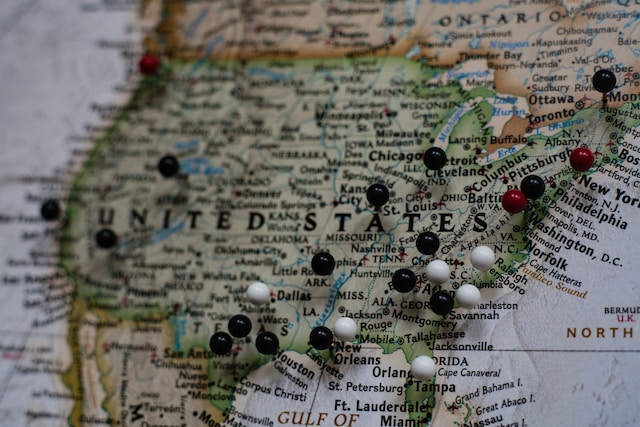
The world is an uncertain place, and the recent pandemic drove home the vulnerabilities many have. Finding creative ways to relieve yourself without toilet paper is the least of your worries if the grid were to collapse, taking with it communication capabilities and stopping supply chains altogether, not just slowing them down. If the SHTF, how safe are you and your loved ones where you are? Where are the best and worst places to be?
Humans have divorced themselves so completely from the natural world that they forget the role climate and resources play in survival. However, the greatest danger you face might come from the human animal. Here are the most and least dangerous U.S. states in a SHTF scenario.
SHTF Scenarios Defined: How Likely Are They?
First, take a deep breath — it’s unlikely that a global SHTF scenario will result in an apocalyptic collapse of all modern civilization. While it’s fine to prep for such circumstances, you’ll probably experience localized disasters, such as hurricanes.
Others may be more widespread, like pandemics, but not so devastating that all is lost. Nevertheless, the following seven situations are SHTF scenarios for which you should be ready:
- Job loss: This is particularly frightening in the gig economy and as social safety nets shrink.
- Regional disasters: This includes hurricanes, earthquakes, wildfires, tornadoes and floods.
- Economic collapse: It’s either increasingly likely or unlikely, depending on which economists you follow.
- Cyberattacks: Modern reliance on technology to run the grid creates vulnerabilities.
- Pandemic: Humanity is now well-versed — but have you begun prepping for the next one?
- War: People in the U.S. have been insulated from war’s true horrors, but this is one of the most frightening SHTF scenarios. Rising divisiveness increases its likelihood.
- Critical power failure: Nearly everything people do requires electricity — what happens when there is none for days, weeks or longer?
Factors to Consider in a SHTF Scenario
Your first consideration in a SHTF scenario is whether to go or stay where you are. How well you prepare helps determine your answer, as supplies reign supreme — a well-stocked storm cellar is a blessing. However, if you haven’t had a chance to become a proper squirrel, you might have to hit the road in search of what you need to survive.
When selecting your escape route, you must consider the following four factors for the journey and ultimate destination.
1. Climate
It’s vital to keep the weather in mind when traveling. When on vacation, you know you can head home if things get too uncomfortable. You don’t have that option in a SHTF scenario — leaving home means staying is more dangerous than going. You’re about to gain a whole new appreciation of unhoused individuals’ daily struggles.
Even with a vehicle to break the elements, you’ll need plenty of blankets and warmers in the winter. If you only have enough cash for one survival tool and know you’ll likely need to travel, a small propane heater can be a lifesaver. Of course, if you’re trekking through the Arizona desert in July, you have the opposite problem — water will become your most pressing need. You’ll need at least a gallon per day, and that’s if you can find shade and travel at night.
There’s also the risk your ride will break down or you’ll encounter an obstacle you can’t bypass, like a severely flooded roadway. Dress in layers and have a well-stocked bugout backpack ready if you must travel by foot.
2. Availability of Resources
Modern humans head to grocery stores when they need food. However, you probably can’t get there in a SHTF scenario — and attempting it could be dangerous if looting runs rampant. You’re in for an unpleasant awakening if you’ve never experienced genuine hunger.
Fortunately, you can forage even in urban areas. However, it’s safer in the wilds since there’s less risk of pesticides and chemicals. If you don’t have a dime to put toward prepping, at least learn what local plants you can eat in a pinch. You can also hunt to meet your daily caloric needs.
3. Natural Threats
Weather and hunger pose your greatest natural threats. Still, it helps to study the terrain along your escape route. For example, what critters might you encounter if you head to the wilds?
4. Human-made Threats
Your biggest threats in a SHTF scenario may be your fellow humans. Desperation drives people to behavioral extremes, and even the most law-abiding soul will steal a loaf of bread to assuage starvation without caring who else they deprive.
The threats amplify if you’re female or disabled — it’s an unfortunate reality. Another way to prepare if you have no money is to learn how to defend yourself. Although it’s best to attend live training and run through drills with a qualified instructor, there are plenty of free channels on YouTube with techniques you can practice with a partner. If you’re comfortable using a weapon, train with it regularly to make its use intuitive in a pinch.
The Most Dangerous U.S. States in a SHTF Scenario
You may not have had the time, money or resources to stock your home for survival. Perhaps you’re planning on relocating with potential SHTF scenarios in mind. What are the best and worst places to be? Here are the most dangerous U.S. states to be in during a disaster.
1. Major Metro Areas
The first spot on this list isn’t a specific state — it’s more regional than that. Regardless of your state, major metro areas are your worst bets in a SHTF scenario. Consider this: In the past 50 years alone, more Americans have died from gunfire than in all the U.S. wars combined. It’s not an exaggeration to say other humans may pose your biggest survival threat.
There’s also safety in numbers with those you can trust. If you reside in the city, your best prepping bet may be to organize your core posse, coordinating where you will all meet if evacuation becomes necessary.
Stocking your home for supplies is still valuable — it will help you survive SHTF scenarios like job loss, pandemics and regional disasters of limited scope where cleanup efforts take weeks. However, the sheer hordes of people in cities assure there will be plenty who don’t take such measures and will seek what you have if circumstances become dire enough. Prepare to stay, but plan to go.
2. Florida
Florida sees more than its fair share of natural disasters, so it deserves the No. 1 spot on this list outside urban jungles.
3. New York
Parts of New York are quite rural — and gorgeous. The problem is the severe weather extremes in such areas. Sections of the state are tucked between the Great Lakes and Atlantic seaboard, which are among the snowiest regions in the U.S. Even the hardiest survivalist struggles in a blinding blizzard.
3. California
What makes California so dangerous is its population size. It’s the nation’s most populous state, with an economy larger than many small countries. An economic collapse here could lead to severe repercussions, and while there are plenty of helpful folks, there are also more hell-bent on causing chaos and harm.
4. Texas
You might want a firearm for self-defense, but not every user is responsible or humane. Texas has more mass shootings than any other state, and the U.S. leads the world in these events. There are plenty of open spaces, but is it worth the risk? Furthermore, in 2018, Texas had the most motor vehicle fatalities, followed closely by California. You could find your escape route hopelessly deadlocked.
The Least Dangerous States
Where should you go to reduce your risk and increase your survival chances? Here are the four least dangerous states in the U.S. in a SHTF scenario.
1. New Mexico
Two factors make New Mexico the ideal place to be in a SHTF scenario: climate and population. Plenty of wide-open land with no one on it gives you ample areas to boondock until some semblance of normalcy returns. Although the northern part of the state sees extreme cold, driving south for a few hours puts you squarely in the sunshine.
2. Arizona
Arizona is more populous than New Mexico but still offers plenty of wide, open spaces. You’ll also find some of the best boondock camping anywhere if you must flee the Phoenix or Tucson metro areas. You’ll enjoy the perfect climate, as you’re always within a few hours’ drive of comfort.
3. Montana
Extreme cold poses a threat here, but you’ll find plenty of open lands that teem with natural resources. Hunters can survive quite nicely.
4. Utah
The deserts of Utah don’t see as much snow as the mountains. Temperature extremes aren’t too severe in some regions, and abundant campsites and natural resources exist.
Most and Least Dangerous States When SHTF
Although you’re unlikely to experience a SHTF scenario, it pays to prepare. What are the best and worst states to live in during a survival situation?
Forewarned is forearmed. Consider these tips if you’re seeking to relocate or are strategizing what to do if the SHTF.


-
Subscribe
Subscribed
Already have a WordPress.com account? Log in now.
 Site Title