-
5 Ways to Build a Cheap Emergency Shelter

When your roof is leaking and your feet go through the floor boards, it may seem clear enough that your home won’t stand up to a hurricane or some other large scale disaster. On the other side of the equation, even if your home is newer, or you rent an apartment, that doesn’t mean you should rely exclusively on your current home during a major crisis.(Here are 23 survival uses for honey that you didn’t know about.)
Regardless of your current living situation, there are many times and places where an external shelter located on your property or near your home will be of more use than expected. Here are some ways you can build an emergency shelter on a limited budget.
Understand the Building Needs for Different Crisis Scenarios
Before you decide to try and build the cheapest emergency shelter possible, it is important to know which kind of emergencies you expect to get through while residing in the shelter. Have a look at some of the most common scenarios and how they may or may not change your building plans:
- The best shelter for surviving a nuclear crisis will be one located underground. Just make sure that earth covers the top of the shelter as well as all around it. Underground shelters will also be the best for tornadoes.
- Since water from hurricanes can sink deep into the ground, you may be in more danger underground than above. A shelter that will survive a hurricane must be able to withstand heavy winds and rain. Look into shelters that have rounded or dome like shapes as they will offer less resistance to the wind. This, in turn, means that it will be harder for the wind to pick up the shelter and destroy it.
- Gas, disease, and similar attacks require a shelter that is as waterproof and air proof as possible. While it does not matter if the shelter is above ground or below, you will need to be able to filter the air and enrich it with oxygen. Ideally, shelters for these kinds of emergencies plus nuclear crisis should also include a decontamination area. If you go outside, it will be very important to have a place where you can remove your clothes and remove debris and other possible pollutants from your skin before entering the shelter.
Cheap Materials For Building Shelters Near Your Home
Chances are, you will be surprised how natural materials or ones you consider to be “junk” can be repurposed into making a durable emergency shelter. Here are some materials that you more than likely have on hand right now, can find abandoned with little effort, or can build up in a fairly short amount of time.
As you consider these items, remember that building a viable shelter isn’t just about the materials, it is about how you assemble and support them.
- Old tires – old tires can be cut into any number of shapes that can be used to cover holes or build a waterproof layer. They can also provide flexibility to the shelter that may be of use during earthquakes, or when building an unusual design.
- Plastic water bottles – of all the possible materials for building an emergency shelter, this one is the most overlooked, yet the most valuable. In fact, today, people are building full scale homes using plastic water bottles filled with dirt, sand, or water. They have excellent insulative properties and lend just enough support to other materials that would be difficult, if not impossible to turn into a permanent shelter.
- Metal food cans – as with tires, you can use tin cans for covering different areas, as well as for strength. Do not forget that you can always cut these cans open, lay the flat, and then fold them into strips. This can make them useful for supporting different parts of the shelter as well as holding parts together. Metal food cans are also very useful for making solar heaters that can provide warmth for your shelter and hot water.
- Canvas bags – when filled with sand or soil, the canvas bags are some of the most useful things you can use for building an emergency shelter. They are easy to stack up, and can provide a good bit of protection from the elements. They are also the best building material to shield from bullets.
Cost Cutting Without Losing Quality
When you are on a very tight budget, even a few extra dollars can be hard to eke out of your budget. For example, even though smaller sized water bottles may work well for an emergency shelter, there is no getting around the fact that buying water by the gallon is cheaper.
It does not pay to buy larger bottles in order to try and save money because your emergency shelter will not be as sturdy or reliable. This is just one area where cost cutting would create more problems than it solves.
On the other hand, there are some other places where you can safely cut costs without losing the benefits you want most from the shelter:
- Try to build a smaller shelter or break it up into smaller modules. If you build the shelter in add-on modules, you may also improve the overall strength of the shelter, plus extend the cost of building the shelter over a longer period of time.
- Canvass the local area to see if others have useful trash that they are willing to give you. You can also check out sites where high volumes of tires and other waste tend to collect with little or no attention from others. Abandoned lots, and other areas may be a good place to find items that can be repurposed for your shelter at no cost.
- Look in second hand and thrift stores for canvas items that you can sew into bags for making sand bags.
- Take a careful survey of natural materials. Even if you can’t find a beach or plenty of sand, do not overlook the soil in your back yard for filling plastic bottles or canvas bags.
- Keep an eye on local public auctions. You never know when useful building materials may become available from one or more locations.
Where to Hide the Shelter
Hiding your shelter can be difficult for any number of reasons. To begin, people are bound to notice that you are doing something unusual. While keeping your building tasks out of plain sight will help with this problem, there are some others to consider.
Never overlook the possibility of electronic surveillance means during the building process and after the shelter is built and stocked with supplies. In fact, before you even buy or begin saving materials to make the shelter, you should make sure you know what kind of methods may be used to locate the shelter.
From there you can amend the design and then figure out the best location for hiding it. Here are some basic rules for making your shelter easier to hide:
- Keep the shelter small or have a series of small shelters spread out so that no single site gains attention.
- Make sure the shelter is properly disguised based on the surrounding terrain
- Study how time of day, lighting effects, and weather patterns may reveal the existence of the shelter
- Have multiple access points so that you can get from any area on the property to the shelter without being seen or observed
- Use “hiding in plain view” with caution. You can use different shapes or several other methods to ensure people see the structure, but either don’t recognize what it is, or place no importance on it. As with any other kind of disguise, the shelter should blend in and look so normal it is forgotten. If you decide to go in the opposite direction, the shelter should look so strange it will be ignored as a point of blocking out irrelevant information.
Best Ways to Get to the Shelter in an Emergency
When disaster strikes, there is nothing worse than knowing safety is just a few feet away, yet you have no way to get there. In this case, if your house is no longer safe, you must still have a way to get to your emergency shelter and the supplies that will get you through the disaster. Here are some possible ways you can use to get to the shelter:
- Make use of underground tunnels. Even if you have only a crawlway under your house, it will be worth your while to dig an underground tunnel that comes up in your emergency bunker. It does not matter if the shelter is above ground or below. If possible, you should make it your business to have access to the crawlway in each room on the downstairs level of your home. You should tunnel access points throughout the yard. At the very least, if you find a way to get outside, you can still use these entry and exit points to get to your shelter.
- If your shelter is above ground, you may want to try accessing it directly instead of using an underground tunnel. This must be done so with caution so that no one sees where you are going or notices any kind of foot traffic leading to the shelter. When using above ground travel methods, do not forget to take advantage of trees or other objects that create blind spots. There are many ways to get from Point A to Point B without being seen if you know how to place objects around your yard, and then use them for cover in a time of need.
- Tall trees in your yard and rope can also be used to move from limb to limb until you reach an appropriate access point.
Dugout Shelters
When it comes to saving money on an emergency effort, dugout shelters offer some of your best options. That being said, underground bunkers or shelters can be extremely dangerous if they aren’t built correctly or something else causes you to become trapped below ground.
You should have at least one underground shelter on your property so that you can use it if the situation calls for it.
Today, there are many different designs of dugout shelters to choose from. You can build something simple as a one room underground cavity braced with wooden beams. Alternatively, you can tunnel and go to different depths to create multiple rooms and structures.
As long as the soil in this area perks well and is solid, you should be able to build a fairly good shelter.
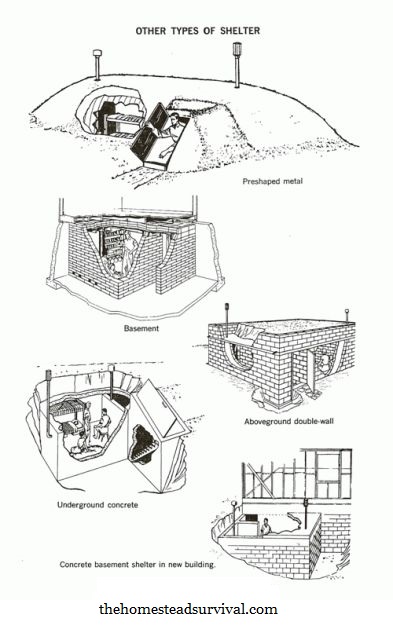
During the process of planning to build a dugout shelter, do not overlook digging deeper into bedrock. This is very important if the soil is very shallow and there is no other way to dig down deep enough. While it may cost a bit more to dig through the bedrock, reaching this level can open up opportunities to increase the stability of the shelter.
Dugout shelters can also be useful when it comes to saving on other parts of stocking and maintaining the shelter. For example, while you are choosing a location for the shelter, you should make sure you know about how underground water moves around and through your property.
Depending on the area, you may be fortunate enough to find an underground stream with clean water nearby, or some point where you can easily access the water table. Since clean water is necessary for both short and long term survival, being able to harness an underground source in your emergency shelter will be a huge advantage.
Fortified Living Brush Shelter
When combined with a secondary underground shelter, you will find that most of your emergency needs will be met more easily than if you built just one emergency shelter from some other material.
Typically, you will find that making shelters covered with still living trees, or bushes will also cost less than using other kinds of materials. These shelters have a number of other advantages that you might want to consider:
- As you may be aware, homeless people are often drawn to derelict buildings or ones that seem to be abandoned. These very same people, however, aren’t likely to dig into a bunch of bushes covered in poison ivy or something else that looks equally unpleasant. By the time you factor in people that fear contact with insects in shrubs, you can have some peace of mind knowing that a living brush shelter will be overlooked.
- Today, some preppers believe our society is likely to collapse at any moment. Others may think we have some time yet. Regardless of where you are on this continuum, there is a good chance that, as a homeowner, you are also paying property tax. Unlike recognizable shelter, you are likely to find that the tax assessor isn’t going to recognize a bunch of shrubs as living space let alone a building. Therefore, you won’t have to worry about a tax hike, securing permits, or other problems that can come up when building a more conventional bunker.
- Living brush shelters can also hide plants that can be consumed for food and medicinal needs.
Sandbag and Concrete Shelters
As noted earlier, sandbag shelters are remarkably durable and can withstand many different kinds of attacks. No matter whether you are concerned about bullets or keeping out rioters, the walls of a sandbag shelter can keep just about anything out. In fact, even if you decide to build some other kind of shelter, fortifying it with sandbags will be to your advantage.
Insofar as cost, if you live near beach or have some other access point to free sand, it will cost you almost nothing to build this shelter type.
Using Plastic Bottles and Other Recyclable Materials
There is no question that a growing number of people believe some kind of major disaster is looming. At the same time, actively engaging in prepper activities and taking concrete steps can be both expensive and time consuming.
From this perspective, it is more than likely many people know they need to put building an emergency shelter as a top priority. However, like being trapped in a nightmare, it may be impossible to start working towards this goal.
Once you find yourself in a catastrophic situation, it is a good idea to make sure you know how to build a shelter from what others see as junk. While others are busy fighting and killing over more obviously useful resources, you can obtain things like used plastic bottles and turn them into a viable shelter.
In their simplest form, all you need to do is fill the bottles with dirt or water, and then use mud to seal the bottles together to form walls and ceilings.
At the very least, if you don’t feel drawn to building some other kind of shelter you can try this one as the basis for a greenhouse or part of a gazebo. The important thing is to know how to build walls using this construction material so that you can make use of it in a time of need when you have no choice but to make building an emergency shelter your top priority.
Sustainable Mobile or Knock Down Shelters
Aside from buying a tent that you can put in your yard for emergency shelter, it is also possible to build wall units that are collapsible and can be moved around with relative ease. For these shelters, look at different kinds of polymers or other lightweight materials.
If you need a larger shelter with a bit more substance than a tent, designing a knock down shelter may be a good option for you. When combined with brush piles or other natural disguises, the mobile nature of this shelter can provide some unexpected advantages.
That being said, do not forget that your supplies and stockpile will most likely need to be housed somewhere else. No matter how fast you can disassemble, pack, and move the main shelter, it is never a good idea to have to waste time on items inside can cannot simply be folded up and put away.
If you own a car, this is one of the easiest and cheapest things to turn into a place that you can turn to for emergency shelter. Just make sure that you give some thought to maintaining your privacy and preventing people from realizing that you are living in the vehicle.
Emergency shelters that will last form months to years can be built at a low cost if you focus on some creative or unusual options. You can also go with more conventional underground bunker designs and add fortifications as your budget allows.
Regardless of the first shelter type that you choose, it is also important to be ready to build a second one so that you can address as many emergency needs as possible without spending a fortune on just one design.
-
Government Control On The Economy And Social Balance- Is It Possible For Communism to Take Over America? If so, How Long do You Think It Would be Until Then?
Before wondering what would happen, it should be imagined how it could happen.
Communism has virtually disappeared from the face of earth to this day. Even though China is still officially communist, it is just a way for the state to maintain its power, as its economy is largely privatized. It has the third military expenditures in the world if you count the EU as a whole, and Russia lags far behind. None would venture attacking the U.S.A, which has almost half the world’s military budget. So first thing, communism could never be introduced to the U.S.A from the outside.
However, in the case of Russia or China, communism was imposed from the inside. You could also think about the French Revolution. Those three examples should be kept in mind to imagine something equivalent to a US communist scenario, although it would certainly not be called that way if it was to happen. The word has a too bad connotation anyway, and communist systems have failed in all fields. But the reasons that had brought them to power have all but vanished, and the search for new solutions could therefore very well resurface under other forms. Even in America.
The U.S.A have had a very particular political development, as a beacon of laissez-faire capitalism, which indeed has worked wonders for them so far. Their situation was actually unique. There were vast land and resources to exploit always further, and a continuous flow of labor force that poured in during the nation’s formation. In what was called the “West” (actually the whole hinterland), anyone who could get hold of property and defend it would become its legitimate owner. This is why Americans are naturally attached to the right to own weapons, and historically very mistrustful of government intervention.
As many other nations before them, their success has led them to believe they are exceptional, and that there is “no other alternative”. Their victories in both World Wars, their superpower status and the collapse of the Soviet Empire have pushed this self confidence to the extreme. But the British, French, German, Russian and Japanese empires all thought that they were unique and invulnerable, and that they were God’s chosen country. Such delusions proved vain, as everyone knows what happened to each and all of them in the end.
The U.S.A has become the world’s leading economy and military power for one century already. Their prosperity has been largely based on consumerism. Americans have little experience of poverty in comparison to the history of other nations, and are used to high standards. The bottom line is that the American political culture is 1) very hostile to government intervention and public service 2) very tolerant of social injustice. There is a strong ideology to defend the system as it is, and to prevent any change, especially towards more equality and government intervention. Since the Reagan presidency, the gap between rich and poor has been widening constantly, and the 2008 crisis gave just a little foretaste of the dangers hovering over the system.

As in all Western capitalist economies, the US economy is strongly reliant on the middle class, as they are the pillar of consumerism. Currently, the globalization policy has led all recent governments to de-localize industries, and fragilizing the middle class always more. The USA remain unchallenged in Internet based services, entertainment and armament. Still, the trade balance with the EU or China remains negative despite all that. The financial sector is out of control, always creating dangerous bubbles breaking regularly. Banks are strong enough to claim themselves “too big to fail”, certain to be bailed out with taxpayer money in order to prevent economic collapse. Both government and households are held hostages by the system in a vicious spiral of debt. The federal debt alone has by now surpassed national GDP, and China has become the country’s first creditor. This is flight forward.
Yet, Americans are unprepared to face what Argentina or Greece experienced. What if 1929 happened again? It should be remembered that neither the French or the Russian revolution, nor the American War of Independence itself, had been predicted nor thought possible. When there is a system crash, just anything can happen. The most likely scenario for the U.S.A would actually be a Second Civil War. Not between two parts of the country this time, but nationwide, like for the Russian and Spanish civil wars. The 1% would be targeted and Wall Street attacked. They would most likely drop their mask and try to use the army to stay in control. And they would face the most heavily armed civilians in the world.
The immediate outcome of such a conflict would depend on which side the US Army switches : in favor of the 1%, or of the impoverished masses. None of the sides could expect any military support from abroad. It would inevitably result in the establishment of a dictatorship, at least temporarily. In case of victory of the right wing, you should expect a fascist leaning type government, protecting private property by all means, more similar to Franco’s Spain, or 1970’s Chile or Argentina than to Nazi Germany. Americans are far too individualistic and diverse to adapt to a genuinely totalitarian system. In case of victory of the left, there would probably be property seizure, massive trials and possibly executions. It would likely be the end of tax heavens, as these would be invaded, and the offshore accounts containing all the taxpayer’s diverted money would be requisitioned.
Such a dystopian situation would be however unlikely to last in the middle run. After the French Revolution, things went back to relative normality within 30 years, although some major reforms remained in place. As for the examples of Russia and China, when communist revolutions erupted, both were hardly industrialized countries with a peasant majority, and neither had experience of democracy. American consumerism would be most incompatible with a planned type of economy as it was implemented by communist regimes. American tradition of political freedom would not tolerate dictatorship very long. But such a crisis would be unprecedented in the nation’s history, and hurt its image both at home abroad. There would be a before and an after.
Within one or two decades, a likely outcome would be the adoption of a more sustainable form of capitalism than the one which has prevailed until now, implying more government control on the economy and more social balance, as it already happened with the New Deal, and for some time in Europe after WW2. To this point, the U.S.A can still afford ostrich policy, and any challenge to laissez-faire capitalism meets feisty backfire from large segments of the population, from very rich to very poor. But once breaking point is reached, such rhetoric will no longer hold, and fundamental reforms will happen somehow. What is certain is that it will come from the American people itself, like the War of Independence.
-
The Day All The ATMs Ran Out Of Cash- If Such An Event Were to Occur In Today’s World, It Could be Far Worse Than The Great Depression.

Money plays such an important role in our lives that most of us could not imagine surviving without it. Yet that is exactly what you need to do if you want to prepare for an economic condition called deflation.
Deflation is the term economists use to describe a “general decline in prices, often caused by a reduction in the supply of money or credit.” A good way to think of deflation is as the opposite of inflation. Inflation occurs when there is too much money in circulation, which destroys its value and raises prices. When deflation occurs, there is too little money available, which often causes prices to collapse and the economy to shut down.
In severe cases of deflation there can be no money available at all not — even at the banks. This nightmare actually occurred during the Great Depression of the 1930s, when there were places in the United States where there was no cash available at all. More recently, it has happened in Greece, where ATMs ran out of cash and where banks placed limits on the amount of money that could be withdrawn.
People had no money to pay bills or buy food for their families. Employers had no money to pay employees, customers had no money to buy goods, and many people were reduced to bartering to survive. During the Great Depression, farmers would pay professionals such as mechanics and doctors with food because they had no money and no credit.
The situation got so bad that in some areas of the country, local governments, chambers of commerce and businesses issued their own currencies — the so-called depression scrip. The scrip often took the form of pieces of paper that people used as money because there was no government currency available. The scrip was used to pay workers or buy goods.
At one point during the Great Depression, the money shortage got so severe that the US government considered issuing a national scrip as an alternative to the dollar. That plan was eventually dropped and the government solved the crisis by simply printing more dollars.
Many people have known survivors of the Great Depression who liked to keep large amounts of cash on hand. Others would hoard food and other items. Those people developed that habit because they remembered what life without money was like. The fear of the deflation that occurred in the 1930s haunted them all of their lives.
The frightening reality is that the threat of deflation is still real. Some knowledgeable individuals, such as wealth preservation experts Will and Bill Bonner, believe that a sudden deflation leading to a national or international money shortage is still possible today.
The Bonners, who have studied some of the world’s knowledgeable investors such as George Soros, believe that the next financial crisis will begin with a “violent monetary shock” similar to the one that occurred during the Great Depression. They predict that money could suddenly disappear overnight, causing the economy to come to a grinding halt.
What Happens When Money Vanishes
Historical accounts of the Great Depression show us some of the possible effects of such a violent monetary shock. The damage caused by such a violent deflation can include:
The sudden collapse of prices. The Great Depression began with the collapse of stock market prices in 1929. That was preceded by the collapse of agricultural prices in the United States during the 1920s. During that crisis, land prices in rural areas collapsed, causing large numbers of rural banks to fail. When the banks failed, the government liquidated them and their assets, which included lots of foreclosed farmland, an action that further drove prices and made the crisis worse.
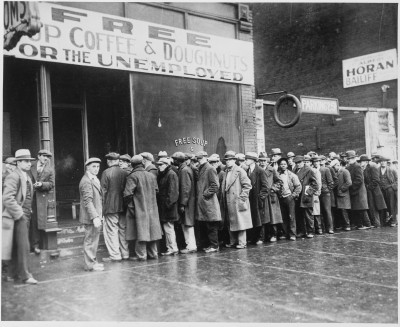
Everything you have — your investments, your home and your possessions — could suddenly lose all of its value. We saw this happen during the mortgage bubble of 2007-2008, when many people found themselves “underwater.” That occurs when the amount a home is mortgaged for exceeds the property’s value.
The collapse in prices during the Great Depression particularly hurt farmers who relied on commodity prices. Newsreels from the early 1930s show farmers dumping grain on the ground and pouring out milk because they could not sell them.
Bank runs and the collapse of financial institutions. A bank run or banking panic occurs when all of a bank’s depositors try to take their money out at once. Bank runs often trigger the collapse of financial institutions, which prompts even more bank runs. Between 1930 and 1933 nearly 10,000 banks failed or were suspended. The panic got so bad that President Franklin D. Roosevelt actually suspended all bank transactions in the US between March 6 and March 10, 1933 to prevent further runs in his so-called “bank holiday.”
During the banking crisis of the 1930s, many Americans lost their life savings simply because they were not able to get to the bank fast enough and withdraw their money. Even some wealthy individuals ended up on the streets and in bread lines because they could not get money from the bank.
Massive unemployment. It is a simple and obvious fact that when there is no money, there are no jobs. At the height of the Great Depression in 1933, 24.75 percent of the nation’s labor force, or one in four workers, were unemployed. Around 12.83 million people were out of work at a time when America’s total population was only around 93 million people. That unemployment persisted for years, with 8.1 million Americans still out of work in 1940 in the 11th year of the Great Depression. The unemployment created by the Depression only ended when World War II created “jobs” in the form of the draft and war production.
Hunger and Starvation. Not surprisingly, hunger and in some cases death from starvation can become a problem after deflation. Historians disagree on the number of people who died during the Great Depression.

Massive expansion of government and its power. In his first 100 days in office in 1933, Roosevelt signed 15 major pieces of legislation, several of which established massive new bureaucracies. During the 1920s there were 553,000 civilian employees of the federal government, but by 1940 the federal government had more than 1 million civilian employees. For the first time in American history, the federal government even tried to set prices for products under the National Recovery Act. The government also told farmers what to grow under the Agricultural Adjustment Act. Those laws were so blatantly unconstitutional that the US Supreme Court struck them down in 1935 and 1936.
Increased taxation. When money disappears government gets desperate and imposes more and taxes in an attempt to squeeze more money out of the economy. During the Depression, the maximum income tax rate was raised from 20 percent to 55 percent, gift taxes were increased from .75 percent to 33.5 percent, and new taxes were levied on automobiles, gasoline, telegrams, telephone calls and even checks. By 1934, the United States had the highest tax rates in the world. In 1935 taxes were raised again. Historian Murray Rothbard estimates that the effective tax rate in the United States increased from 16 percent to 29 percent during the Depression.
Why it Could Be Worse Today
If such an event were to occur in today’s world, it could be far worse than the Great Depression.
People were far more self-sufficient in the 1930s, as large numbers of families lived on farms and grew their own food. Even many Americans who lived in town maintained gardens and chicken coops. In those days people also hunted for meat, canned and preserved their own food and baked their own bread. People also sewed their own clothes and fixed their own cars, which gave them a high level of self-sufficiency.
Today, most Americans rely solely on supermarkets for food, and many families no longer even cook. Few people bother to sew, and most of us do not even change the oil in our cars. If our money were to disappear, we would be as helpless as children.
It’s time that we learn the lessons of the Americans who survived the Great Depression. That lesson was to be as self-sufficient as possible so you can survive, no matter what.
-
The Real Reasons For The Could Start “The Last War” (World War III Will Come Sooner Or Later.)
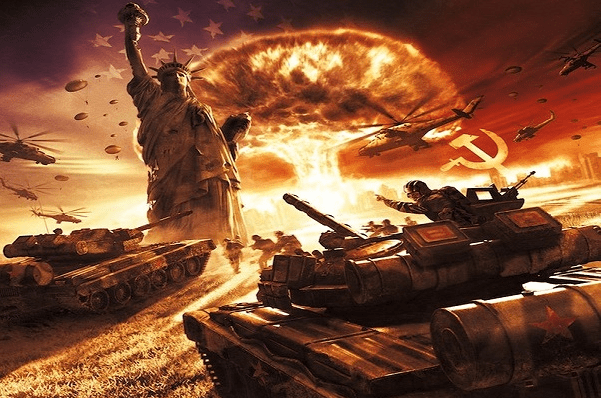
Are we heading towards World War III?
World War III will come sooner or later. There have to be several elements in place for a war to break out. And then this war has to have certain attributes to be qualified as a world war.
First, let’s see which factors usually cause wars:
According to the Heidelberg Institute of Conflict Research, these are the reasons why nations or groups go to war:

“Ideological change” is named the main reason for conflict. But can it cause a major conflict and even a World War? The only group of persons that is pursuing ideological change worldwide and has the necessary capacity to cause serious damage is radical Islam.
But are they able to start a World War? By definition, a WW is “a war involving many large nations in all different parts of the world….”(Google search “world war definition” 12/16/2015)
What we see at the moment is that a not-so-large conflict (Syria) is involving many large nations (the United States, Russia, many NATO countries…).
The only element that is lacking to call the War in Syria a World War is that it is locally contained to only one region. What if the Syrian war would spread globally?
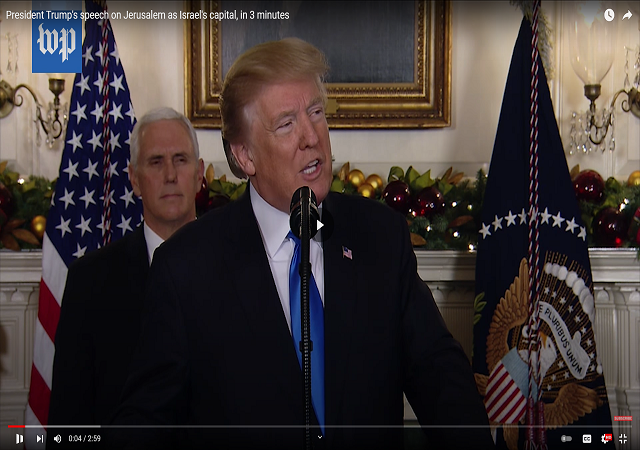
On December 6th President Trump’s words shook the world.
For the first time in over 2000 years, Jerusalem was recognized as the capital of Israel.
Whether he knows it or not, President Trump fulfilled his part in a frightening biblical prophecy exactly as the scriptures predicted.
Only the top church leaders and Bible scholars know the real meaning behind this great and terrible moment, yet no one is saying a thing about it…
So pay chose attention because this video will change your life forever for the good!
Radical Islam is a threat to many places of the world. Many places around the globe were the target of terrorist attacks. Worse, many countries are destabilized by radical Islamic groups and their governments struggle to stay in power.
In Africa and the Arabian Peninsula but also in the Far East many countries have extremely serious conflicts with radical Islamic groups which could seize power there any time. The list of these “failed nations” is long: Especially Libya and Egypt, but also Yemen, Mali, Nigeria and let’s not forget Somalia could “fall” any time to radical Islam.
A chain reaction similar to the “Arab spring” is possible. If one country surrenders to the Islamists it will immediately become a base for the radicals of its neighboring countries. Egypt has a huge army that was build up by the United States for many years. Its weapon arsenal contains modern weapons that could provide Islamist groups with a frightening potential to strike. Worse, Pakistan has nuclear weapons that could fall into the hand of radical Islamic insurgents.

Algerian ISIS member with a hostage.
In case of such an “Islamic chain reaction”, the nations currently fighting ISIS would have no other choice than to engage. And the only nation on earth that has the military power and the logistics to project it in these regions is the United States. But U.S. military power is not unlimited. Troops would have to be withdrawn from other regions, especially Korea and Afghanistan, a development which then would further destabilize Asia. There were already Islamist insurgencies in Thailand and the Philippines which could grow further. Indonesia has a Muslim population of 218 million which might radicalize under these circumstances.
Additionally, terrorist activity against the nations that are fighting ISIS would reach highest levels. The reaction against these terrorist attacks would alienate even more Muslims.
Sleeping conflicts like in Chechnya, Bosnia, and Kosovo could also flare up again. All the different Islamic groups and nations would be united under the banner of the Caliphate and form a mighty coalition.
In the end, we would have a scenario that one could call a World War. This is a pessimistic outlook, but not totally far-fetched and unrealistic.
I highly recommend this book! Here’s just a small glimpse of what you’ll find in The Lost SuperFoods:
The US Army’s Forgotten Food Miracle And 126 Superfoods That You Can Store Without Refrigeration for Years
The video below will shock you because you will be among the first to watching this secret!

You can also access the latest news at this address: www.whatfinger.com
-
The Best Places in America to Outlive the Upcoming Economic Depression

As COVID-19 continues to ravage our nation, the economic toll is racing to outstrip the toll in lives taken. While there is clearly no way of comparing the two, the millions of people who have lost their jobs due to the pandemic are the ones who are suffering the brunt of shutting down our country. Many of those people will never get those jobs back, because the companies who laid them off have gone bankrupt.
We have yet to see the full impact that COVID-19 will have on our country and the world. Even so, it’s surprising that we haven’t yet entered into a time of economic depression. Many financial gurus are predicting that it’s just around the corner, so we’re clearly not out of danger yet. Probably the only way we’re going to see the end of that risk, is by going through the depression and coming out the other side.
Some people have been a bit too quick to dismiss the effects of the pandemic, forgetting that it has been worldwide, not just here in the United States. While there are those who may be trying to use it for political gain, they can’t be making up the disease or its effects; doing that would require creating the conspiracy of all time.
So, as we are navigating the waters of the remainder of this pandemic, we also need to be preparing ourselves for the rough financial times to come. For those who can, moving to one of these areas might just be a good idea, as it could minimize the impact of the depression on their lives.
The Least Impacted Communities
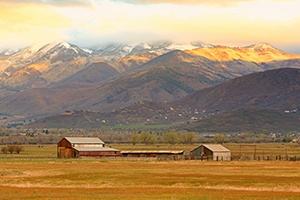
If we want to look at this question from the viewpoint of general areas, then rural farming communities are some of the least impacted by any recession or depression.
People will always need to eat, so if you’re working in the agricultural industry, chances are pretty high that you’ll keep your job.
The problem with this is that the actual number of jobs available in those communities isn’t really all that high. If you lose your job, there may not be a whole lot of others to choose from. So you’ll want to make sure that you pick a job which will guarantee you some security. Avoid any sort of luxury food items, as those will be one of the first places where people will make cuts to their budgets.
Besides that, rural communities are less likely to be affected by the rise and fall of economic tides, because many of the things impacted by them aren’t affected so much. Housing prices don’t suffer under population pressures and there aren’t so many economically fragile service industry jobs. So if you’re self-employed, working over the internet, where you could live anywhere, a rural community might be just the place for you.
The City with the Lowest Unemployment Rate
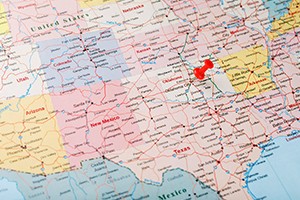
For a large city, Oklahoma City has the lowest unemployment rate in the country, according to information from the US Bureau of Labor Statistics.
While this can change, and will most likely go up during a depression, chances are that even at its peak, the unemployment rate in OK City will be lower than it will be within the high-population coastal areas.
Oklahoma’s economy is based largely upon oil and gas production, which will probably remain fairly high, even during times of economic hardship. While there will be some reduction in gasoline usage, most of the oil and natural gas produced in this country is used for purposes that won’t just stop due to a downturn in the economy.
The Recession-Proof City
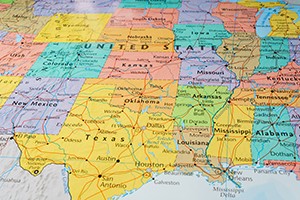
Frisco, Texas is rated as the most recession-proof city in the country.
This ranking is based upon a combination of their unemployment rate, percentage of income spent on housing, and the percentage of the population who rely on social assistance.
With an economy that stable, the impact of any economic downturn will be lessened, compared to other parts of the country.
This envious ranking has been verified by various different groups, not all of which use all of those criteria. Nevertheless, the city ranks high for employment and housing, no matter what scale is being used.
The City with Plenty of Jobs
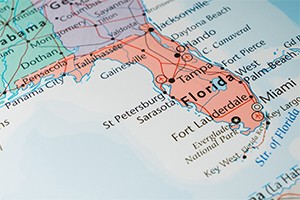
Leigh Acres, Florida is the fastest growing city in the US, ranking very high in its jobs and economic rank, as well as its socio-demographic rank.
The high growth can very easily translate to a lower overall financial impact from any recession or depression.
Of course, to take advantage of this, you’d want to beat the rush and get there before the depression starts. Once things turn bad, there will be a lot of people looking to move to someplace where there are plenty of jobs. This will change the statistics for Leigh Acres, as well as other cities which currently rank very high for job growth.
One of the Fastest Growing Regions
During the 2008/2009 housing crash, the Rio-Grande Valley area of South Texas was one of the least impacted in the country. Where housing starts in much of the country dropped to near zero, this region was still growing, with new homes being built. It has continued to grow and has remained one of the fastest growing regions in the country.
The Rio Grande Valley is a major crossing point between the United States and Mexico, with hundreds of maquiladora factories located on the Mexican side of the border. This has boosted commerce in the area, not only due to products coming across the border, but also in providing goods and services in support of those factories.
Many of the upper management live on the US side of the border, especially in the cases of management people from other countries who have factories in Mexico.
Be Self-Sufficient
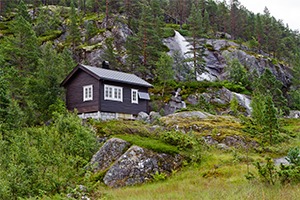
No matter what happens, your best bet is to be living an independent lifestyle, preferably in a cabin in the mountains.
If you are self-employed and can manage to pay off that property, perhaps from the sale of your current home, you might be able to live quite inexpensively, helping you to weather any financial storm.
During the Great Depression, some of the people who were impacted the least were people living in such areas, as well as those living in rural communities. The less that people were dependant on others for their income, the easier it was for them to survive. Chances are pretty high it will be the same this time around as well.
Watch Out for These
Probably the worst place to be living with the coming economic depression is in any of the major cities, especially those along either coast. The high number of people living in those areas will mean that available aid and resources will have to be spread out over a larger number of people. While large cities generally have more resources, the amount of resources per person is generally lower.
Every job that is advertised in a large city already has a long list of applicants. That will only get worse, as the economy gets worse. Chances of finding a job will become harder, as the competition increases. There will also be more jobs lost because they are “non-essential”, leaving those people without another option, as whole industries see massive declines.
It’s also impossible to live off the land in the city. While it is not easy to live off the land anywhere, living out in the country or even in the suburbs, allows you to plant a garden and raise a few chickens, to help feed your family. That’s hard to do when living in a high-rise condo or apartment.
You can also access the latest news at this address: www.whatfinger.com
-
Ten Questions You Need To Answer Before The Next Global Depression Sets In: 1.) FIRST AND FOREMOST IS HOW WILL I FEED MY FAMILY?
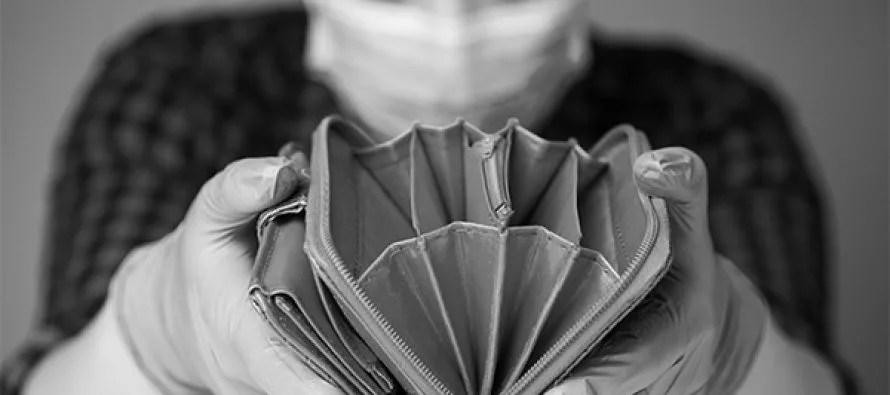
The global financial system is beginning to come apart like a cheap suit. When the normal life you rely on ceases to function properly, what are you going to do? If you do not have a plan you will be left helpless in a rapidly deteriorating situation that will put you and your family in danger. It costs you no money to think through some basic questions and come up with realistic answers. The sooner you address this, the more secure your future will be when things don’t go as planned.
Everyone expects the government to be there with a safety net when things go wrong, but the government may not be there in the future when you need them or they may require things of you that you are not willing to do or give up. When times are uncertain, it is your responsibility to care for your family and that is a responsibility you cannot pawn off on someone else. If you have no plan or don’t know where to start, you can begin with some basic questions.
How will I feed my family? – If your income is cut off or your food supplier is shut down, what is your backup plan to provide food for your family and how long will you be able to do so? The acquisition of potable water is also a concern you need to address.
How and where will I shelter my family? – If you lose your job and the ability to pay your bills, will you still be able to live in your current home? If your community becomes dangerous will you stay there and if not where will you go?
How will I provide security for my family? – When the financial system breaks down, many who depend on it will become desperate. They will do things they normally would not do in order to maintain their living standard. Many will become violent as their comfort zone is breached by many unknown variables they are not ready to confront.
How will I preserve my wealth for future use? – If you have wealth in the form of paper assets and they are stored with institutions, you may lose access to them in an emergency. They may also become lost, stolen or greatly devalued depending on the circumstances. If the well being of your family depends on those assets, are you prepared to lose them? If not what are your contingency plans to protect those assets so you have buying power in the future no matter what happens to the system?
What will I use for transportation? – In a depression type of collapse it may be difficult to acquire fuel or get your vehicle repaired. What is your backup plan if you need to evacuate your family to another area? Do you have a storage of fuel supplies, an alternate fuel source or the ability to maintain your own vehicle? Do you have an alternate source of transportation you can use?
How will I provide clothing for my family? – If you have no income or savings, how will you provide clothing for your family? Can you make your own or do you have a plan to trade for what you need? Should you store extra clothing now for future use and how much should it be?
Do I have others I can depend on if I need help? – If the situation deteriorates, do you have others you can rely on? It may be a need for food, clothing, shelter or security but in a prolonged situation you will need help in some form at some point.
What will I do to earn a paycheck? – In a serious downturn that lasts many years, what will you do to earn a paycheck? What skills do you have that can be traded for the things you need? What equipment do you have that can be used to provide a product or service?
How will I provide medical services to my family? – If the situation is desperate and medical help is expensive or unavailable, how prepared are you to care for a sick or injured family member? While broken bones and internal injuries may require a professional, can you care for minor injuries and provide medicine for sick individuals?
Can I provide power and communications if the grid is disabled? – The financial collapse of nations can lead to the shutdown of major service providers or leave you unable to pay for those services. If you can provide your own power and communications during critical times, it can provide you with information and capabilities to keep your family safe. Even a solar panel, 12v battery and small power inverter can give you many capabilities.
Once you have answered these questions in as much detail as possible you will have the outline for a basic plan to follow. As you answer these questions, more questions will arise that will lead to more detailed planning. Planning is a continuous process that develops more capabilities as you progress. In the future, the more capabilities you have, the easier it will be to navigate the disruptions in society that you are likely to encounter.
You can also access the latest news at this address: www.whatfinger.com
-
The Society Grow More Fragile And Vulnerable to Collapse As Time Passes (An Analysis Of Hundreds Of Pre-modern States Suggests That Civilisations Tend to Have A ‘Shelf-life’ – A Pattern That Holds Lessons For Today’s Ageing Global Powers.)
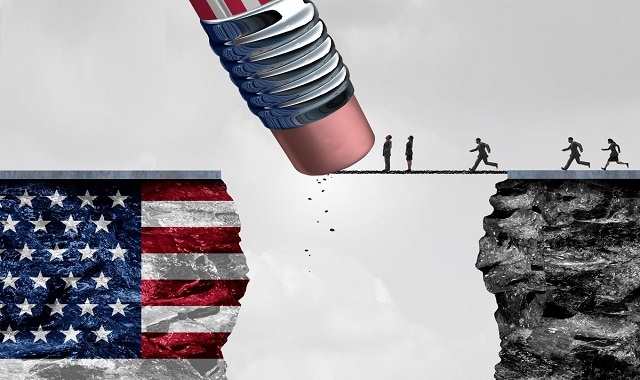
Even some of our brightest scientific minds are projecting that there is absolutely no positive future for our civilization if we stay on our current course. Perhaps one of the reasons why our society has become so obsessed with short-term results is because most of us can’t bear to think about the long-term consequences of our actions. I have a website that focuses on “economic collapse”, but it isn’t just the economy that is headed for catastrophe. Virtually every aspect of our society is coming apart at the seams all around us, and the era that we are moving into will be more nightmarish than most people would dare to imagine. But our political leaders continue to insist that everything is going to work out just fine somehow, and most people choose to believe them.
This week, an old MIT study from 1972 that projected that our civilization will collapse at some point during the 21st century made headlines on several major news sites…
In 1972, a team of MIT scientists got together to study the risks of civilizational collapse. Their system dynamics model published by the Club of Rome identified impending ‘limits to growth’ (LtG) that meant industrial civilization was on track to collapse sometime within the 21st century, due to overexploitation of planetary resources.
In particular, the study identified a period of time “around 2040” when societal collapse would be very likely…
The study was published in the Yale Journal of Industrial Ecology in November 2020 and is available on the KPMG website. It concludes that the current business-as-usual trajectory of global civilization is heading toward the terminal decline of economic growth within the coming decade—and at worst, could trigger societal collapse by around 2040.
Of course events are not going to transpire exactly as they foresaw, but as far as the big picture is concerned they were right on the money.
Our society is now in the process of collapsing all around us, and you can see evidence of this everywhere that you look.
This week, civil unrest is causing widespread chaos in the streets in Cuba, South Africa, Beirut and Paris. We have entered a period of time when it seems like people are perpetually angry, and the wild scenes that are playing out around the globe are absolutely shocking.
Here in the United States, we are in the midst of a crazy crime wave. Murder rates in our major cities rose by an average of 30 percent in 2020, and they are up another 24 percent so far in 2021. Extreme violence has become a way of life in many of our largest metropolitan areas, and this is particularly true in the city of Chicago…
A Chicago rapper died after suffering as many as 64 bullet wounds to his head and other parts of his body in what police are calling an ambush shooting just as he was released from jail.
Londre Sylvester, 31, who is known by his stage name KTS Dre, was one of three people who were shot just outside Cook County Jail in the Little Village section of Chicago on Saturday.
Chicago police seem powerless to stop the endless violence, but of course the same could be said about many other police departments around the country.
The streets of our biggest cities are becoming war zones, and what we have experienced so far is just the beginning.
Meanwhile, we are dealing with the worst epidemic of illegal drugs in our history. If you can believe it, drug overdose deaths were up nearly 30 percent last year…
Drug-overdose deaths in the U.S. surged nearly 30% in 2020, the tragic result of a deadlier supply and the destabilizing effects of the Covid-19 pandemic, according to preliminary federal data and public health officials.
The estimated 93,331 deaths from drug overdoses last year, a record high, represent the sharpest annual increase in at least three decades, and compare with an estimated toll of 72,151 deaths in 2019, according to provisional overdose-drug data released Wednesday by the Centers for Disease Control and Prevention.
Drug overdose deaths were already at an all-time high coming into 2020.
So for the number of deaths to rise 30 percent above that level in just one year is really, really tragic.
At the same time, our system of public education continues to rapidly deteriorate.
Earlier today, I was shocked to learn that 41 percent of all high school students in Baltimore have a grade point average that is below 1.0…
Project Baltimore obtained a chart assembled by Baltimore City Schools. The chart shows the average GPA for every high school grade in the city – freshman through senior. In the first three quarters of this past school year, according to the chart, 41% of all Baltimore City high school students, earned below a 1.0 grade point average. In other words, nearly half of the 20,500 public high school students in Baltimore earned less than a D average.
“It’s heartbreaking,” said Patterson. “If almost half of our kids are failing, what options do they have after high school? This is really disheartening. It’s sad to see this.”
I don’t just want to single out Baltimore, because that isn’t fair.
All across this once great country of ours, public schools are completely and utterly failing our kids. The vast majority of our high school graduates cannot read, write or speak coherently, and that simply should not be happening in the wealthiest nation on the entire planet.
Switching gears, authorities up in Canada are dealing with a different form of social decay. For years, I have been warning that Christians in the western world would soon face the same sort of extreme persecution that Christians in other parts of the globe are forced to endure, and now it is starting to happen.
In recent weeks, individuals that are apparently motivated by a deep hatred for Christians have been setting churches on fire all over Canada…
Terrorists are attacking and burning down churches across Canada with impunity.
It’s a reality most Canadians only thought possible for Middle Eastern countries like Syria, where ISIS has bombarded and razed dozens of Christian heritage sites in the name of Islam.
We haven’t seen anything quite like this before. According to Keean Bexte, a total of 45 Canadian churches have been burned just since the beginning of June…
The Counter Signal has kept a close eye on these terrorist attacks, reporting on the scene just hours after a fire in a refugee church.
Our information shows that since June, there have been 45 attacks on Christian and mainly Roman Catholic congregations. Of those, 17 of them have been scorched or burnt to a crisp in suspicious circumstances.
The corporate media should accept responsibility for their role in provoking these attacks.
For years, the corporate media has been relentlessly demonizing conservative Christians, and churches are the most visible symbols of conservative Christian culture in our society.
As the corporate media continues to blame conservative Christians for society’s ills, it is inevitable that there will be more attacks on churches in the future.
But of course there will be more violence everywhere around us as our society continues to steadily unravel.
I have never seen as much anger, frustration and hate as I am seeing right now, and there is no future for a society in which virtually everyone is filled with rage.
The years ahead are going to be extremely chaotic, and I would suggest that you plan accordingly.
-
Ramping Up The Threat – Government Psychologists Admit Waging Psychological Warfare On The Nation

We’ve said from the beginning that far from the science dictating the agenda, we have the reverse: the agenda dictating the science, or at least what is passed off as science.
The globalist front group that has hijacked our government and is now waging a War on Democracy has an agenda that includes, for example, the imposition of lockdowns and the social and economic destruction they were intended to inflict.
“Science” was and still is invented or made up on the fly to justify that agenda.
But lockdowns run contrary to the mores and customs of the people, human instinct, actual science, evidence and, indeed, common ruddy sense and are thus very hard to enforce without provoking a revolt.
This particular attack on the people was intended, among other things, to cause so much destruction and dismay that by the time some reckless maniacs came along with experimental and possibly genocidal pseudo vaccines, people would submit to them without a fight if it meant all this disruption, inconvenience and upset would be over.
But the subversives occupying offices of state had a problem: how do you get people to comply with anything so manifestly stupid?
The answer of course was that you had to ramp up the terror and frighten a bewildered and misinformed public into compliance with their own suppression.
Enter SAGE’s SPI-B committee top-heavy with an inordinate number the expert behavioral psychologists, among these a leading Communist Party member, whose expertise in psychological warfare could be used to create in the public mind the fear required.
And to a degree, it worked. But not well enough and now as the operation starts to unravel and the truth of what has been done permeates relentlessly through the force screens of censorship into public consciousness, justice and retribution loom for their crimes against the nation and against humanity.
Seeing the writing on the wall and knowing the “just following orders” excuse will not let them off the hook, some of the cynical manipulators of SAGE have begun to distance themselves from Suppression Central and develop a conscience . . .
Use of fear to control behaviour in Covid crisis was ‘totalitarian’, admit scientists
Scientists on a committee that encouraged the use of fear to control people’s behaviour during the Covid pandemic have admitted its work was “unethical” and “totalitarian”.
Members of the Scientific Pandemic Influenza Group on Behaviour (SPI-B) expressed regret about the tactics in a new book about the role of psychology in the Government’s Covid-19 response.SPI-B warned in March last year that ministers needed to increase “the perceived level of personal threat” from Covid-19 because “a substantial number of people still do not feel sufficiently personally threatened”.
Gavin Morgan, a psychologist on the team, said: “Clearly, using fear as a means of control is not ethical. Using fear smacks of totalitarianism. It’s not an ethical stance for any modern government. By nature I am an optimistic person, but all this has given me a more pessimistic view of people.”
Mr Morgan spoke to author Laura Dodsworth, who has spent a year investigating the Government’s tactics for her book A State of Fear, published on Monday.
Ministers have faced repeated accusations that they ramped up the threat from the pandemic to justify lockdowns and coerce the public into abiding by them – a claim that will be examined by the forthcoming public inquiry into the pandemic response.© Provided by The Telegraph Ministers have been accused of ramping up the threat from the pandemic to justify lockdowns – Andrew Matthews/PA
SPI-B is one of the sub-committees that advises the Scientific Advisory Group for Emergencies (Sage), led by Sir Patrick Vallance, the chief scientific adviser.
One SPI-B scientist told Ms Dodsworth: “In March [2020] the Government was very worried about compliance and they thought people wouldn’t want to be locked down. There were discussions about fear being needed to encourage compliance, and decisions were made about how to ramp up the fear. The way we have used fear is dystopian.
“The use of fear has definitely been ethically questionable. It’s been like a weird experiment. Ultimately, it backfired because people became too scared.”
Another SPI-B member said: “You could call psychology ‘mind control’. That’s what we do… clearly we try and go about it in a positive way, but it has been used nefariously in the past.”
One warned that “people use the pandemic to grab power and drive through things that wouldn’t happen otherwise… We have to be very careful about the authoritarianism that is creeping in”.
Another said: “Without a vaccine, psychology is your main weapon… Psychology has had a really good epidemic, actually.”
As well as overt warnings about the danger of the virus, the Government has been accused of feeding the public a non-stop diet of bad news, such as deaths and hospitalisations, without ever putting the figures in context with news of how many people have recovered, or whether daily death tolls are above or below seasonal averages.
Another member of SPI-B said they were “stunned by the weaponisation of behavioural psychology” during the pandemic, and that “psychologists didn’t seem to notice when it stopped being altruistic and became manipulative. They have too much power and it intoxicates them”.
Steve Baker, the deputy chairman of the Covid Recovery Group of Tory MPs, said: “If it is true that the state took the decision to terrify the public to get compliance with rules, that raises extremely serious questions about the type of society we want to become.
“If we’re being really honest, do I fear that Government policy today is playing into the roots of totalitarianism? Yes, of course it is.”
-
New Update- Global Food Crisis- Will be The Biggest Crisis Of The 21st Century!
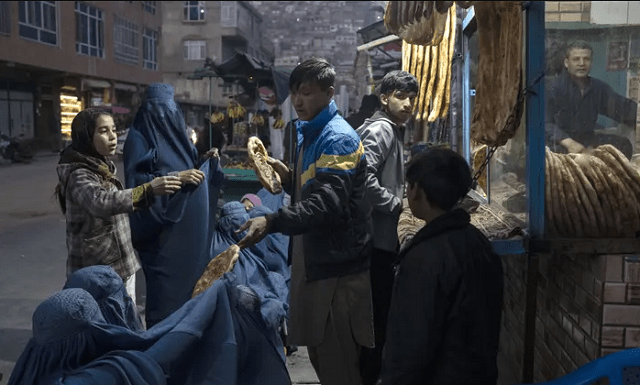
According to wfpusa.org- Is There Really a Global Food Crisis?
Yes. Right now, there is a global food crisis – the largest one in modern history. Since the United Nations World Food Program’s (WFP) creation in 1963, never has hunger reached such devastating highs. From the eruption of new conflicts and the escalating impacts of the climate crisis to soaring food and fuel costs, millions of people are being driven closer to starvation each day.
Nearly 350 million people around the world are experiencing the most extreme forms of hunger right now. Of those, nearly 49 million people are on the brink of famine. Behind these massive statistics are individual children, women and men suffering from the dire effects of such severe hunger. Malnourished mothers give birth to malnourished babies, passing hunger from one generation to the next. Children’s physical and cognitive growth is stunted. Farmers are unable to grow enough food to provide for their families and communities. Entire towns are forced to leave their homes in search of food.
The food crisis will be the biggest crisis of the 21st century. It will push up food prices and spread hunger and poverty. Surging food prices will create inflation and create more crisis in the world. This will not only affect developing countries but also developed countries. According to United Nations World Food Programme (WFP), more than 73 million people in 78 countries who depend on food handouts are facing reduced rations this year.
High prices have caused food protests around the world like Mexico, India, Senegal, London, Mauritania and other parts of Africa. India, Mexico, Haiti, Philippines, Ethiopia, Indonesia and Yemen have seen food riots this year protesting the food crisis. Hardest hit of this crisis will likely be African countries, where many of the world’s poorest nations are here. A lack of food as the primary needs of humans will cause riots, suicide and millions of people could die from it.
Nearly every region of the world is experiencing drastic inflation caused by food this year. Retail prices are up 18% in China, 17% in Sri Lanka and 10% or more throughout Latin America and Russia.
In 3 May 2008, a cyclone devastated Myanmar’s low-lying Irrawaddy delta region leaving more than 1 million people homeless, according to the UN. An estimated 80,000 people died in the delta’s Labutta district alone. Myanmar had been expected to export 600,000 tons of rice this year, including to Sri Lanka and Bangladesh, according to the Food and Agriculture Organization. The cyclone flooded 5,000 square kilometers (1,930 square miles) of farmland. Cyclone Nargis struck the country’s main rice-growing area, worsening a food crisis that’s triggered unrest from Haiti to Egypt.
Why does it happen
Rocketing oil prices, global warming, biofuels, and the world population explosion are the cause of this food crisis. The primary driver is the soaring cost of oil, which reached $123 a barrel for the first time. Oil cost will make transportation more expensive, thus making food more expensive too. The price of oil has sent the cost of food imports skyrocketing this year.
The World Bank predicts global demand for food will double by 2030. This is partly because the world’s population is expected to grow by three billion by 2050. Food demand will also grow due to new prosperity in India and China.
Global warming will disrupt food production in many countries. It can cause climate instability which is bad for crop.
Food price are affected by accelerating demand for biofuels. Biofuels, made from food crops such as corn, sugar cane, and palm oil, are seen as easing the world’s dependence on gasoline. But when crude oil is expensive, these alternative energy sources can also be sold at higher price. Last year a quarter of the US maize crop was turned into ethanol to fuel vehicles. US supplies more than 60% of the world’s maize exports. According to the World Bank, this is putting pressure on countries’ food supplies.
The worldwide food reserves are at their lowest in 35 years. Demand is growing much more than supply.
How to solve
For short term, massive government and international agency aid is needed especially from rich nations. For long term, there should be incentives to increase food production. Relative price fluctuations are an unavoidable part of an efficient economy. This becomes worrying when some people are so poor that a small rise in price becomes a life and death question for them.
The two primary driver for the crisis is oil price and global warming. Oil price hike is mainly caused by geopolitical risk, not supply and demand. Political conditions affect oil production in Iraq, Nigeria, Venezuela, and Iran. Iraq is still struggling to recover from decades of war. Nigerian production is affected by attacks and sabotage. Venezuelan oil production has never fully recovered since December 2002, when political strife brought Venezuelan production to a halt. The key is to bring peace on those country.
Global warming has caused climate instability, which can destroy crop fields. Nowadays, there has been a lot of talking about global warming. Each day, more and more people realized that global warming is endangering the world. For short term, he hope that researchers can improve farming technique to address worldwide hunger. Researchers around the world like the International Rice Research Institute in Philippines are studying how to improve crop which more pest and weed resistant, more nutrient rich and high yielding.
-
The People Of This Country Have Voluntarily Given Up Their Freedom, And In The Process Have Become Obedient Serfs
“Governments don’t want a population capable of critical thinking, they want obedient workers, people just smart enough to run the machines and just dumb enough to passively accept their situation. You have no choice. You have owners. They own you. They own everything. They own all the important land. They own, and control the corporations. They’ve long since bought, and paid for the Senate, the Congress, the state houses, the city halls, they got the judges in their back pockets and they own all the big media companies, so they control just about all of the news and information you get to hear.”
Is this country facing the end of times? Are the people in this country oblivious to any reality or truth, or are they simply consumed by ignorance, passivity, cowardice, and mediocrity? Will this onslaught of tyranny by the controlling class and the politicians continue unabated, or will enough wake up in time to stand against the total decimation of their lives, their property, their freedom, and their land? What could possibly motivate the masses to voluntarily accept their own servitude, a servitude that can only lead to their imminent demise? Even the most simplistic life forms on this planet possess the basic instinct of self defense, so why is it that the supposed most intelligent of all living beings can be controlled and brutalized to the point of extinction, without lifting a finger to protect their own interests? Today in America, the people are drowning in a pool of their own blood, while their chosen masters are feasting on the remains.
There is very little time left to change this course we are on today, as this plot toward the great reset of the world is close at hand. In the past when liberty has been threatened, some fought back and won, but most sat back and waited, hoping others would come to their rescue, and save them from themselves. Every time threats have come and gone, there was less freedom and much more control. Each and every tyrannical event brought an assault against liberty that remained long after any so-called ‘return to normal’ was expected. ‘Normal’ has been forever changing, meaning every new normal resulted in less freedom and more authoritarian measures. That is until today, as now we face an end to any freedom, and a life of submission and enslavement. Unless and until the current ruling oligarchy is eliminated or weakened to the point of impotence, and by whatever means necessary, the tyranny will run its course until it has total control or the entire system collapses under its own weight.
Throughout history, kingdoms, states, and nations have come and gone. Empires reign, but always eventually fall. After societal failure, a better system may be in place temporarily, as happened here in this country after the ousting of British rule, but due to power, greed, and weak and complacent populations, the collapse of societies has always been inevitable. This one is no different. The real question is how long will it last? Considering the ‘assumed’ founding, this nation has only existed for a little over 240 years. Historically speaking, this is a very short time indeed, but the march toward a totalitarian end is near. We are now on the brink of that precipice, with one foot already dangling over the cliff. There will be no return to ‘normal’ or any notion of freedom, unless a complete dismantling of this very flawed governing system is forthcoming. That can only happen if a majority of the people not only desire it, but also are willing to take any and all risk to regain their own independence.
At this stage, our probable downfall will not be due to the few evil oligarchs that are perpetrating this fraud called a ‘virus pandemic,’ it will be due to a complete abandonment of self-responsibility by the people themselves. This truth has to be acknowledged before any relief is possible. So long as blame is spread wide in order to appease the feeble psyche of the pitiful masses, and no accountability for one’s own life and existence is accepted, then no resolution will be attainable. We now live in a society that has lost its ability to function without rule. The herd is forever looking to find a master instead of looking to self. So long as this attitude is present in the majority, individual sovereignty will not prevail, and a population of order-takers and rule-followers will be the result. That cannot lead to freedom, but only to complete subjugation of the American people. Five hundred years ago, Étienne de La Boétie wrote “The Politics of Obedience and The Discourse of Voluntary Servitude.” The people of this country have voluntarily given up their freedom, and in the process have become obedient serfs. In this passage below, he summed up the essence of voluntary slavery through obedient behavior.
“It amazes us to hear accounts of the valor that liberty arouses in the hearts of those who defend it; but who could believe reports of what goes on every day among the inhabitants of some countries, who could really believe that one man alone may mistreat a hundred thousand and deprive them of their liberty? Who would credit such a report if he merely heard it, without being present to witness the event? And if this condition occurred only in distant lands and were reported to us, which one among us would not assume the tale to be imagined or invented, and not really true? Obviously there is no need of fighting to overcome this single tyrant, for he is automatically defeated if the country refuses consent to its own enslavement: it is not necessary to deprive him of anything, but simply to give him nothing; there is no need that the country make an effort to do anything for itself provided it does nothing against itself. It is therefore the inhabitants themselves who permit, or, rather, bring about, their own subjection, since by ceasing to submit they would put an end to their servitude.”
How many times have Americans criticized those in other lands for allowing tyrants to rule over them without rising up to protect their own liberty? How many times have those in this country condemned totalitarian monsters across the world, and called for them to be removed or killed? How many times have Americans cheered for aggressive war against other nations because they lived under brutal regimes? How many times have Americans bragged about being exceptional, and falsely declared that they are the freest people on earth? How many times has this American population allowed that same tyranny and brutality here at home and done nothing?
I can tell you, most all in this country are voluntarily allowing this takeover today, and are doing absolutely nothing to stop it. Civil disobedience and mass dissent would be enough to quell this onslaught of government lies, carnage, murder, and liberty destruction, but while you condemn others, you sit idle and watch your own freedom taken away without ever lifting a finger to stop it. Shame on all of you who refuse to disobey, and refuse to defend your own freedom!
You can also access the latest news at this address: www.whatfinger.com
-
Subscribe
Subscribed
Already have a WordPress.com account? Log in now.
 Site Title